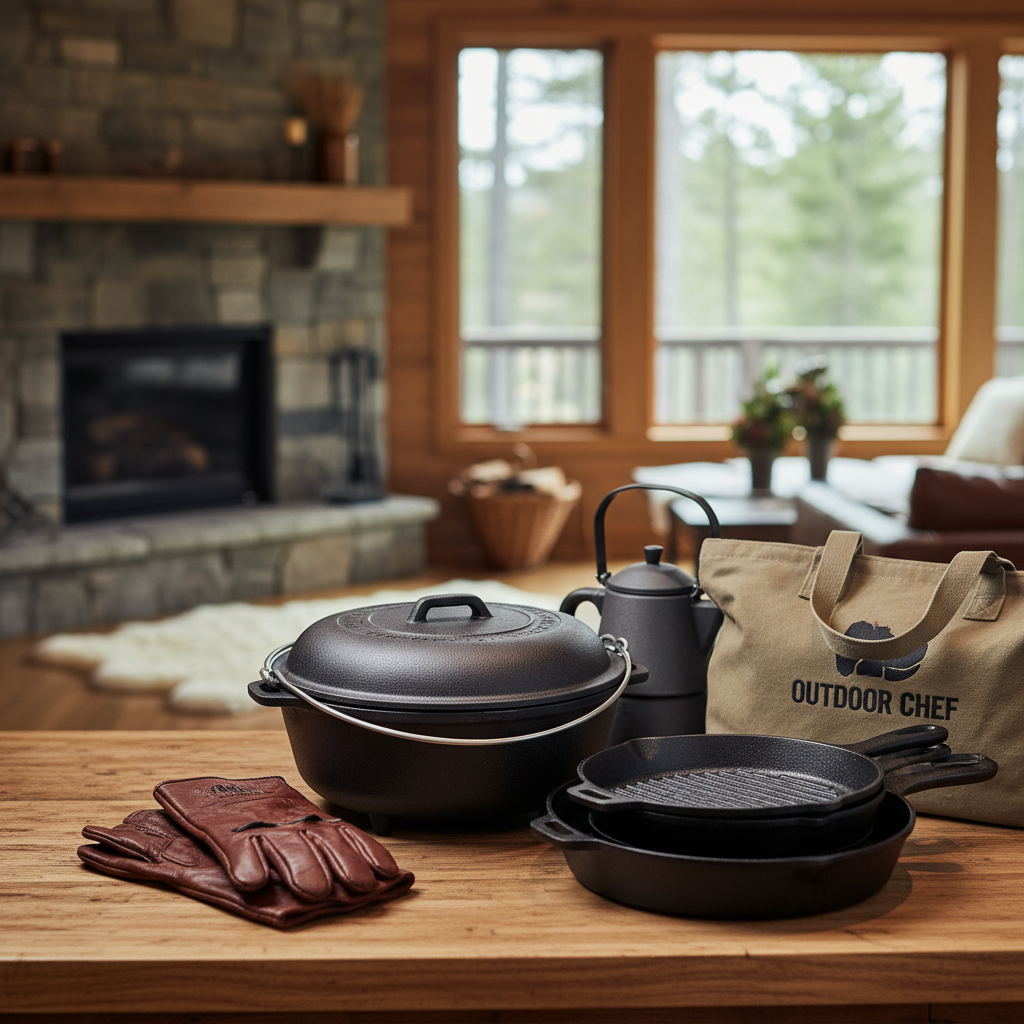
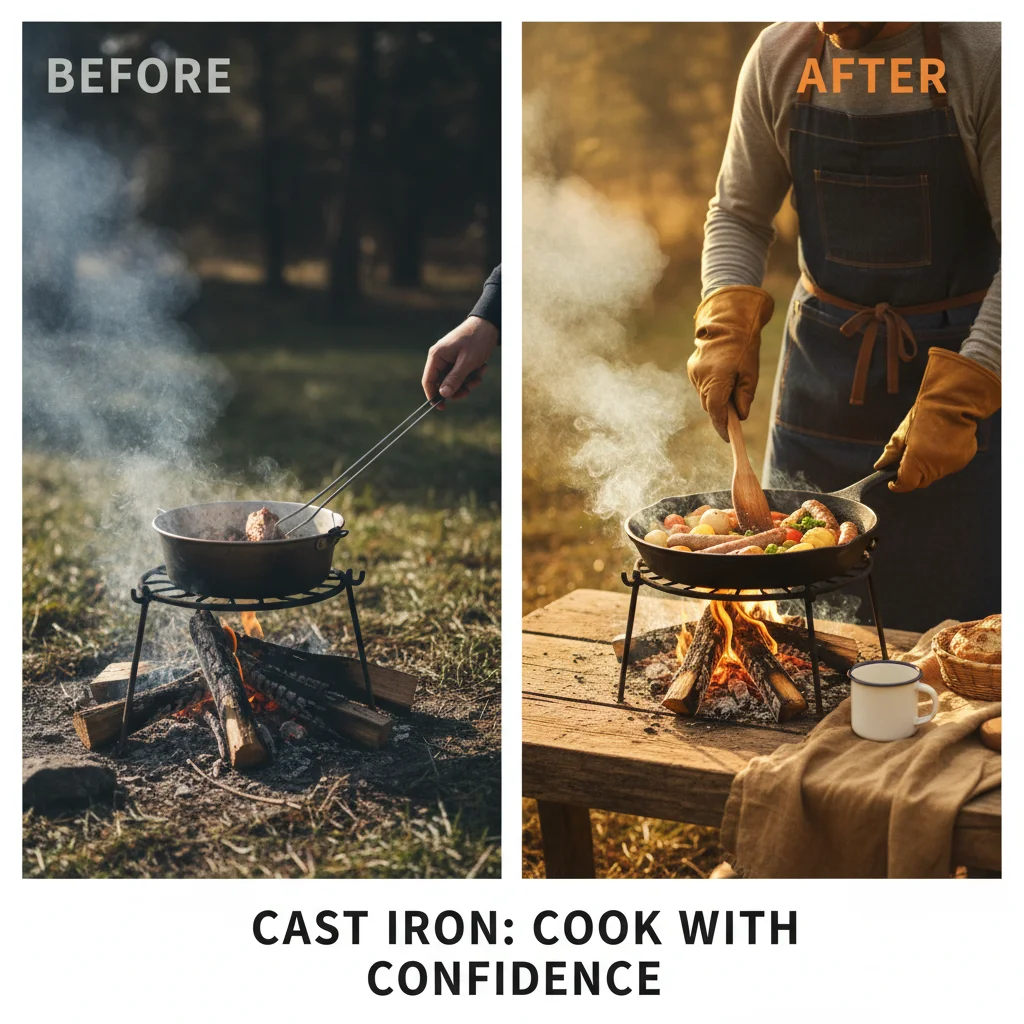
Cast iron set camping represents a growing trend among outdoor enthusiasts seeking durable, versatile, and reliable cookware for their adventures. More than just pots and pans, a complete cast iron set for camping provides a foundation for creating delicious meals in the wilderness, fostering a deeper connection with nature through the art of outdoor cooking. The resurgence of interest in cast iron isn’t simply nostalgia; it’s a recognition of its inherent benefits, offering a cooking experience unmatched by modern alternatives.
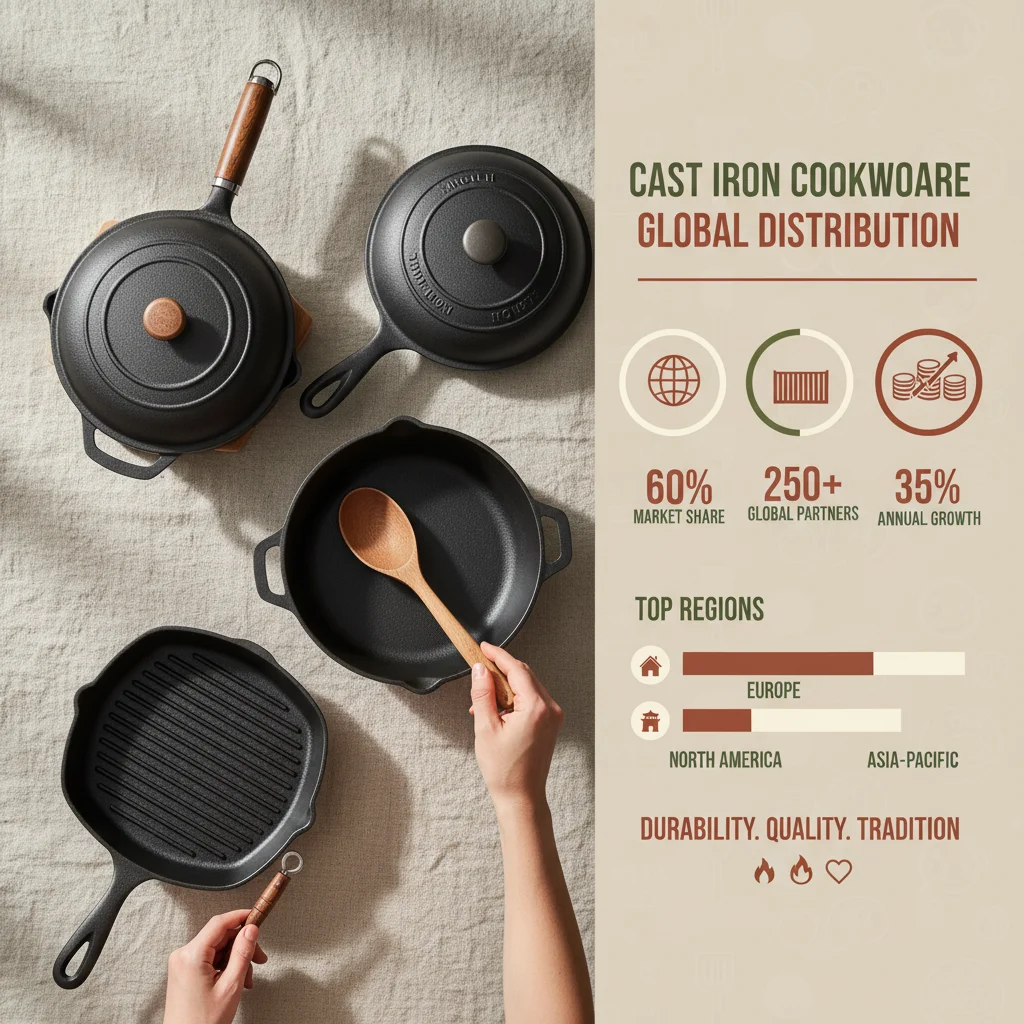
Globally, the outdoor recreation industry is booming, driven by increased disposable income, a desire for experiences over material possessions, and a growing awareness of the benefits of spending time in nature. According to the Outdoor Foundation, participation in outdoor activities has steadily increased in recent years, fueling demand for high-quality camping equipment. This growth directly impacts the need for reliable and robust cooking solutions, and cast iron set camping fills that niche perfectly.
However, the increasing demand also presents challenges. Sourcing sustainable materials, minimizing environmental impact, and ensuring accessibility for all levels of campers are all critical considerations. Understanding the nuances of cast iron – from seasoning and maintenance to weight and heat distribution – is essential to maximizing its potential and minimizing potential drawbacks.
The Fundamentals of cast iron set camping
At its heart, cast iron set camping is about embracing a slower, more deliberate approach to outdoor cooking. Unlike lightweight alternatives, cast iron offers exceptional heat retention, ensuring even cooking and allowing for complex recipes to be prepared with ease. The weight, while a consideration, is often offset by its versatility – a single cast iron piece can function as a skillet, oven, and even a Dutch oven.
The appeal extends beyond functionality. Cooking with cast iron connects campers to a long tradition of outdoor cooking, evoking images of pioneers, cowboys, and generations past who relied on its strength and reliability. It's a tactile experience, fostering a sense of craftsmanship and appreciation for simple pleasures.
Historical and Cultural Significance
The history of cast iron cookware stretches back centuries, with evidence of its use dating back to ancient China. However, it was in the American frontier that cast iron truly found its niche. Pioneers and settlers relied on its durability and versatility for cooking over open fires, making it an indispensable part of their daily lives. The iconic Dutch oven, in particular, became synonymous with frontier cuisine.
This legacy continues to influence modern camping culture. Cast iron represents a return to simpler times, a rejection of disposable convenience in favor of lasting quality. It evokes a sense of self-sufficiency and resourcefulness, appealing to those who seek a more authentic outdoor experience.
Furthermore, the traditions surrounding cast iron – seasoning, maintenance, and passing down family heirlooms – contribute to its cultural significance, fostering a sense of community and shared heritage among enthusiasts.
Core Components of a Camping Cast Iron Set
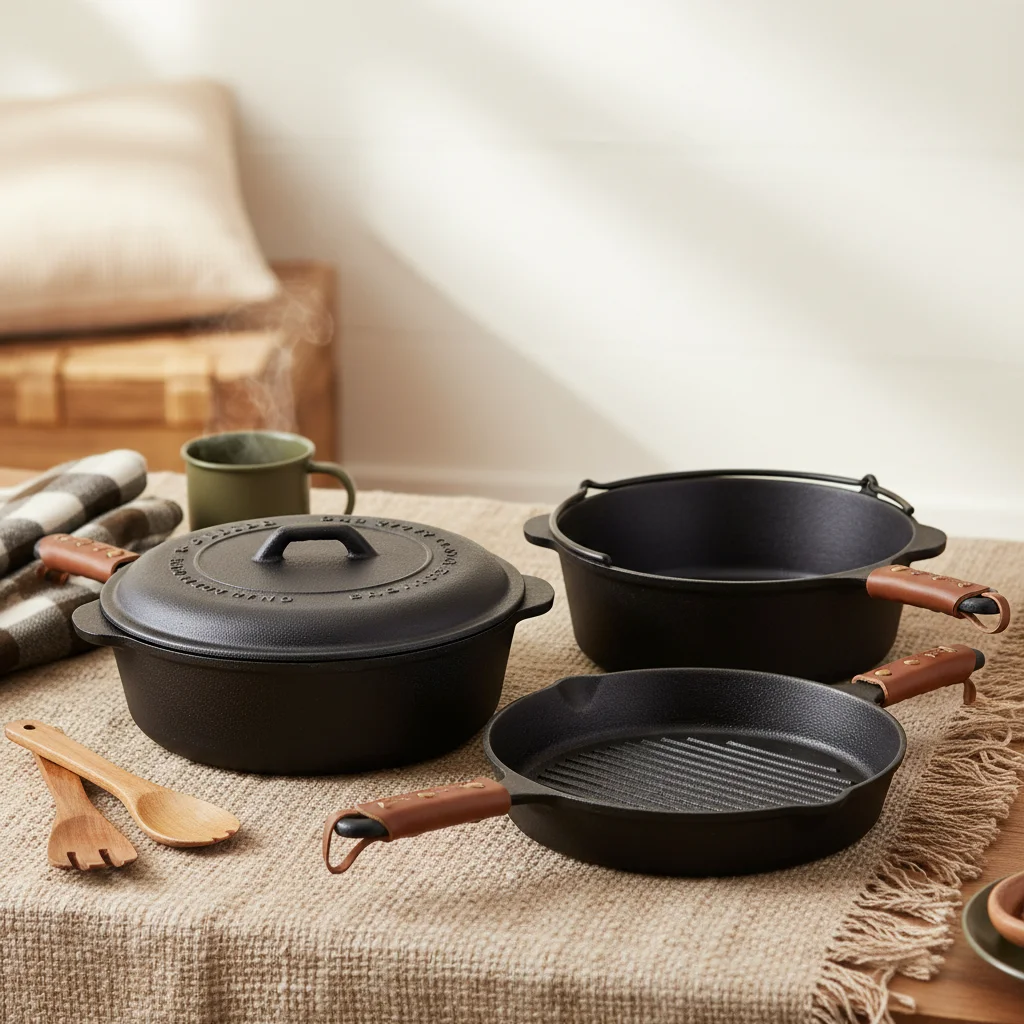
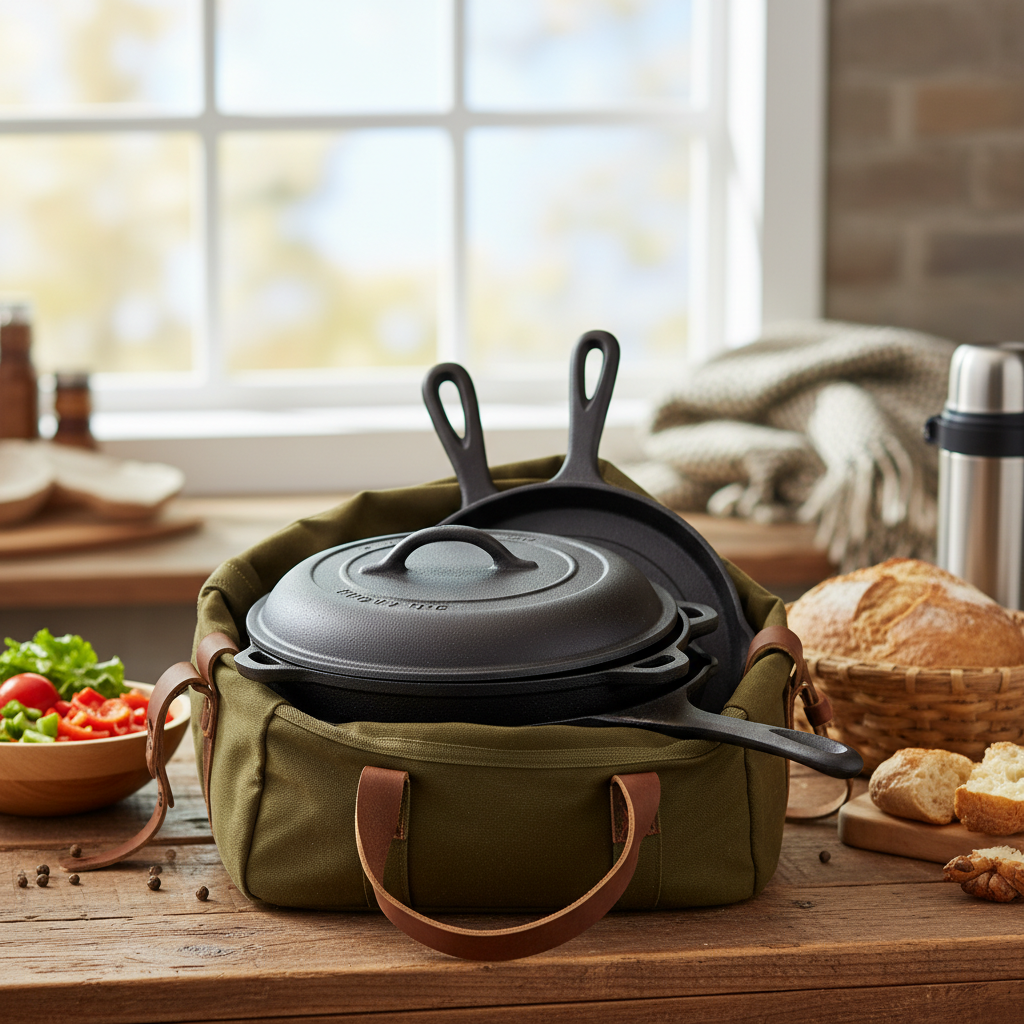
A typical cast iron set camping isn't limited to a single pan. A comprehensive set usually includes a 10-12 inch skillet, a Dutch oven (ranging from 8-12 quarts), a lid that fits both, and sometimes smaller pieces like a griddle or a smaller skillet. Accessories like trivets, lid lifters, and pre-seasoned cookware are also valuable additions.
The skillet is the workhorse of the set, ideal for frying, sautéing, and baking. The Dutch oven excels at slow cooking, stews, and even baking bread. Choosing the right size Dutch oven depends on the size of your group; a larger oven is better for feeding a family, while a smaller one is more manageable for solo campers.
Beyond the core pieces, consider accessories like a cast iron cleaner and seasoning oil to maintain your cookware. Investing in quality accessories will extend the lifespan of your set and ensure optimal performance. Proper care and maintenance are crucial for preserving the integrity of cast iron and maximizing its benefits.
Durability and Heat Retention
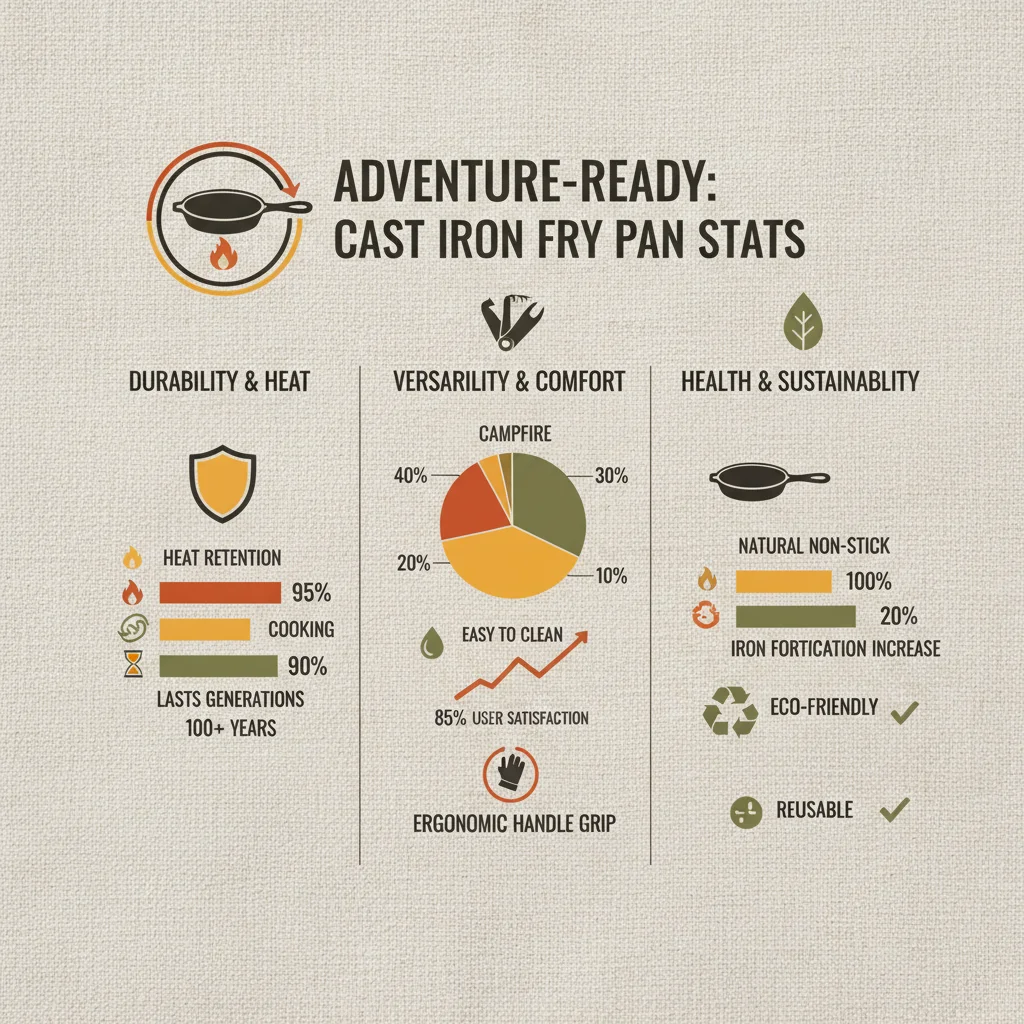
The defining characteristics of cast iron – its exceptional durability and heat retention – are what set it apart from other cookware materials. Cast iron can withstand extremely high temperatures without warping or degrading, making it ideal for open-fire cooking. It’s also incredibly resilient, capable of withstanding years of use and even abuse.
Heat Retention Comparison - Cast Iron vs. Alternatives
Global Applications of Camping Cast Iron
The use of cast iron set camping isn't confined to North America. Across cultures, the appreciation for its durability and cooking versatility is widespread. In Australia, it's common to find cast iron cookware used for bush cooking, while in Europe, it’s gaining popularity amongst glampers and outdoor adventurers.
Beyond recreational use, cast iron is valuable in disaster relief situations. Its robustness and ability to cook over open fires make it an essential tool for providing meals to those affected by natural disasters. In remote areas where access to electricity is limited, cast iron offers a reliable and sustainable cooking solution.
The Long-Term Value Proposition
Investing in a quality cast iron set camping isn't merely a purchase; it’s an investment in a lifetime of cooking experiences. With proper care, a cast iron set can last for generations, becoming a cherished family heirloom. This longevity reduces the need for frequent replacements, making it a sustainable choice.
The versatility of cast iron also adds to its value. A single set can handle a wide range of cooking tasks, eliminating the need for multiple specialized pieces of equipment. This simplicity and efficiency make it an ideal choice for minimalist campers and those seeking to reduce clutter.
Future Innovations in Cast Iron Camping
While cast iron has a rich history, innovation continues to shape its future. Manufacturers are exploring lighter-weight alloys and improved seasoning techniques to address some of the traditional drawbacks of cast iron. Pre-seasoned cookware is becoming increasingly common, simplifying the initial setup for new users.
The integration of smart technology is also emerging. Some manufacturers are experimenting with cast iron cookware equipped with temperature sensors and Bluetooth connectivity, allowing for precise temperature control and monitoring via smartphone apps.
Sustainability is another key focus. Companies are prioritizing the use of recycled materials and eco-friendly manufacturing processes to minimize the environmental impact of cast iron production.
Analysis of Cast Iron Camping Set Quality Factors
| Material Quality |
Seasoning Effectiveness |
Set Completeness |
Overall Durability |
| High-Grade Cast Iron |
Factory Pre-Seasoned (Rating: 8/10) |
Includes Skillet, Dutch Oven, Lid |
Excellent (Rating: 9/10) |
| Standard Cast Iron |
Requires Initial Seasoning (Rating: 5/10) |
Skillet and Lid Only |
Good (Rating: 7/10) |
| Enameled Cast Iron |
Minimal Seasoning Needed (Rating: 7/10) |
Skillet, Dutch Oven, and Trivet |
Moderate (Rating: 6/10) - Enamel can chip |
| Low-Grade Cast Iron |
Poorly Seasoned (Rating: 3/10) |
Skillet Only |
Fair (Rating: 5/10) |
| Alloy Cast Iron |
Good Seasoning (Rating: 6/10) |
Skillet, Dutch Oven, Lid, Griddle |
Very Good (Rating: 8/10) |
| Premium Cast Iron |
Exceptional Pre-Seasoning (Rating: 9/10) |
Full Set with Accessories |
Outstanding (Rating: 10/10) |
FAQS
Seasoning is crucial for creating a non-stick surface and protecting against rust. Begin by thoroughly cleaning the cast iron with hot, soapy water. Then, apply a thin, even coat of cooking oil (flaxseed, canola, or vegetable oil work well) to all surfaces, inside and out. Bake upside down in a preheated oven at 400-450°F (200-230°C) for one hour. Repeat this process 2-3 times for a robust seasoning layer. This creates a polymerized layer that protects and enhances your cast iron set camping.
Avoid harsh soaps and abrasive cleaners. While still warm, use a scraper to remove food particles. Rinse with hot water and dry immediately. A small amount of oil can be applied after drying to prevent rust. If needed, use a cast iron cleaner specifically designed for the purpose. Remember, proper cleaning helps maintain the seasoning and extends the life of your cast iron set camping.
Cast iron is undeniably heavy, making it less ideal for long-distance backpacking where weight is critical. However, for car camping or canoe/kayak trips where weight isn’t as much of a concern, it's an excellent choice. Consider only bringing essential pieces and sharing the weight with fellow campers. Some smaller cast iron skillets can be manageable for shorter hikes.
Yes, you can! Unlike non-stick coatings, cast iron is durable enough to withstand the use of metal utensils. However, using gentler utensils like wooden or silicone tools can help preserve the seasoning over time. Avoid using overly sharp or abrasive utensils that could potentially damage the surface.
The key to preventing rust is thorough drying. After cleaning, dry your cast iron immediately with a towel. Applying a very thin coat of cooking oil after drying helps create a protective barrier. Store your cast iron set camping in a dry place and avoid stacking wet items on top of it. If rust does appear, scrub it off and re-season the affected area.
While generally safe, prolonged cooking of highly acidic foods (like tomatoes or vinegar-based sauces) can potentially damage the seasoning and impart a metallic taste. Short-term cooking of acidic foods is usually fine, but avoid simmering them for extended periods. A well-seasoned skillet is more resistant to this effect.
Conclusion
In conclusion, a cast iron set camping offers a unique blend of durability, versatility, and cultural significance. From its historical roots to its modern applications, cast iron continues to be a cornerstone of outdoor cooking, providing a reliable and satisfying experience for campers of all levels. Its ability to retain heat, withstand abuse, and deliver exceptional cooking performance makes it an investment that will last a lifetime.
Looking ahead, continued innovation in materials, seasoning techniques, and smart technology will further enhance the appeal of cast iron. Embracing sustainable practices and prioritizing quality craftsmanship will ensure that this timeless cookware remains a staple of the camping experience for generations to come. Visit our website at www.jsycastiron.com to explore our range of cast iron sets and start your culinary adventure today!