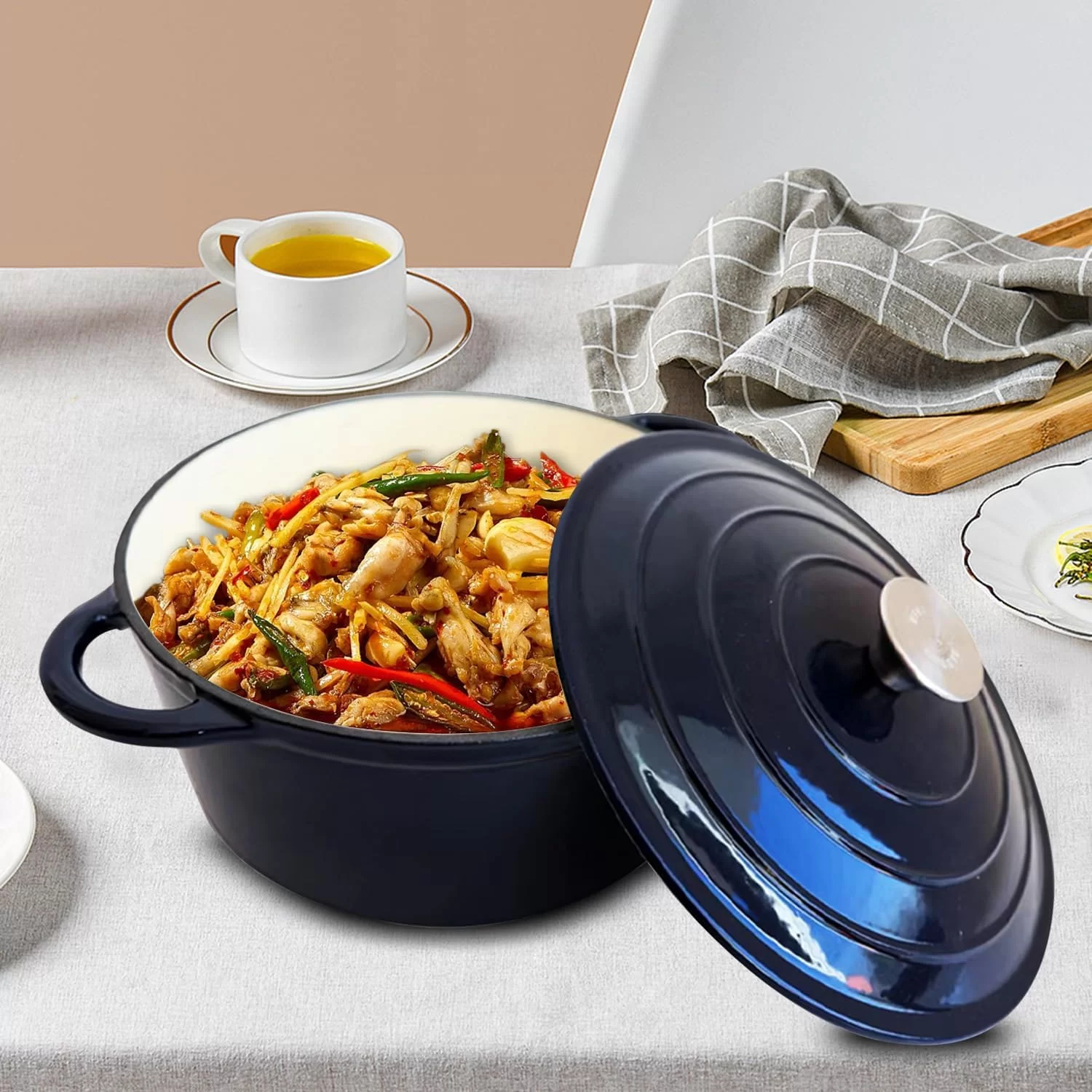
Cast iron cooking set camping has rapidly gained popularity, driven by a resurgence in outdoor activities and a desire for durable, versatile cooking solutions. From seasoned campers to weekend adventurers, the appeal lies in its ability to deliver restaurant-quality meals in the heart of nature. The market is responding with a diverse range of sets, focusing on portability, ease of use, and long-lasting performance.
The global outdoor recreation industry is booming, with a significant portion dedicated to camping and related equipment. According to Statista, the global camping equipment market was valued at approximately $4.5 billion in 2023 and is projected to reach over $6 billion by 2028. This growth is fueled by increasing disposable incomes, a rising interest in ecotourism, and the accessibility of outdoor spaces. cast iron cooking set camping is positioned to capitalize on this trend.
However, traditional camping cookware often lacks the heat retention and even cooking capabilities of cast iron. The challenge lies in mitigating the weight and maintenance requirements traditionally associated with cast iron. Modern cast iron cooking set camping addresses this, offering lighter-weight options, pre-seasoned surfaces, and innovative designs that simplify cleanup and transport.
The Fundamentals of cast iron cooking set camping
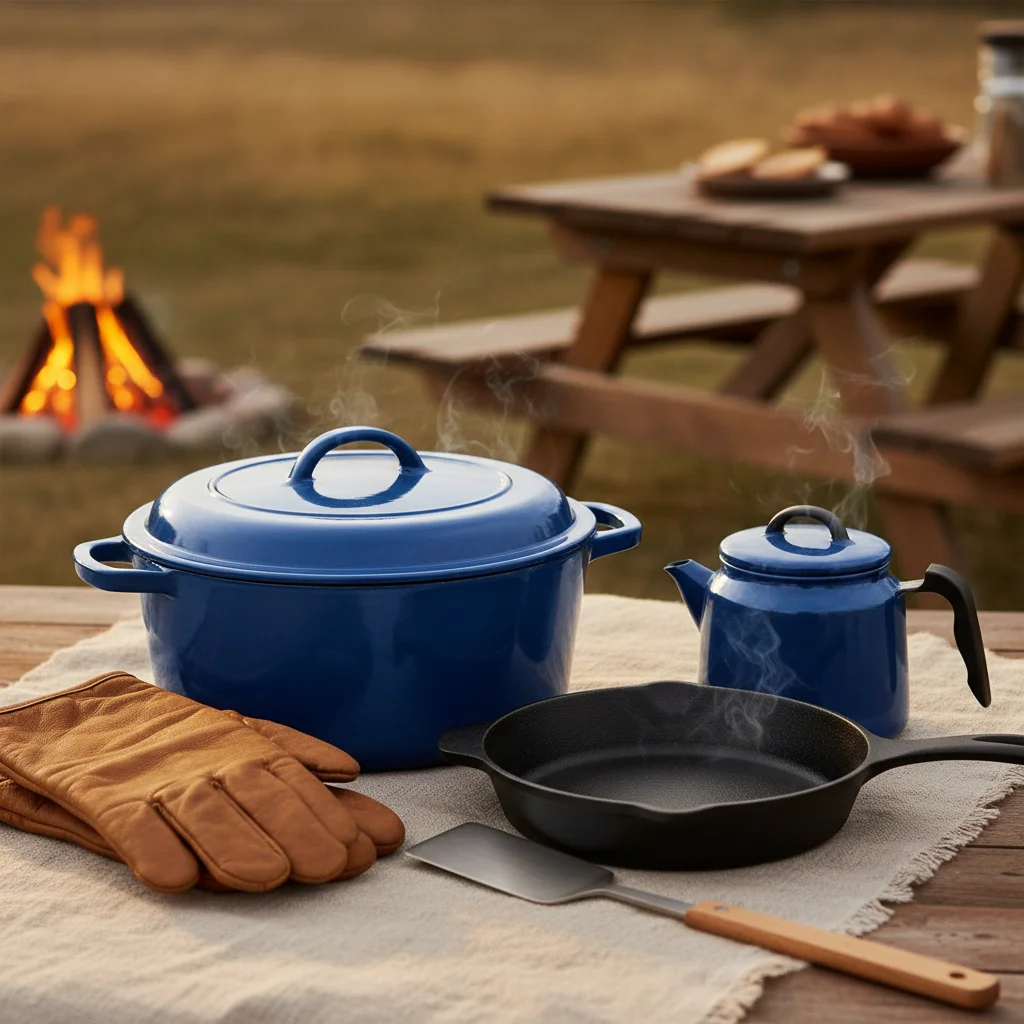
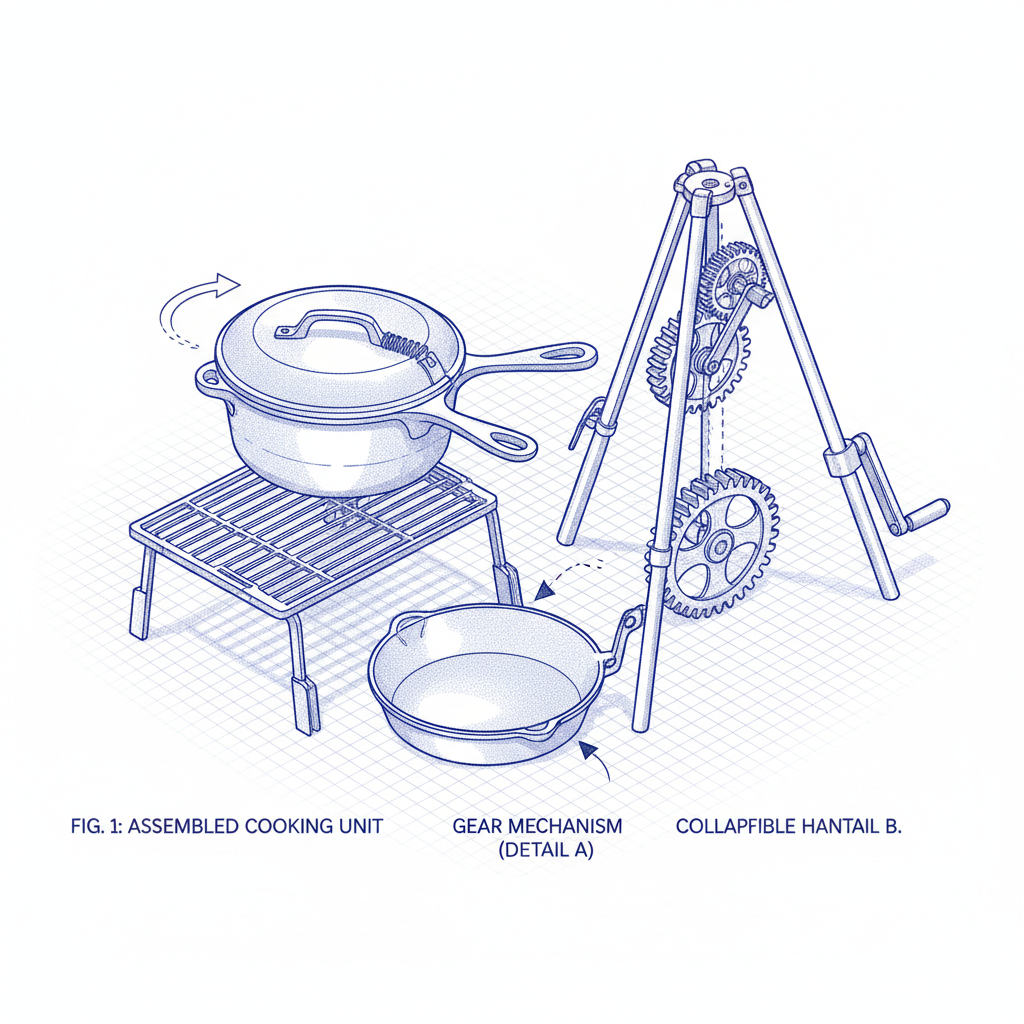
At its core, cast iron cooking set camping involves utilizing cookware crafted from cast iron—an alloy of iron, carbon, and silicon—specifically designed for outdoor cooking environments. These sets typically include skillets, Dutch ovens, lids, and occasionally other specialized pieces like griddles or baking pans. cast iron cooking set camping offers a unique cooking experience.
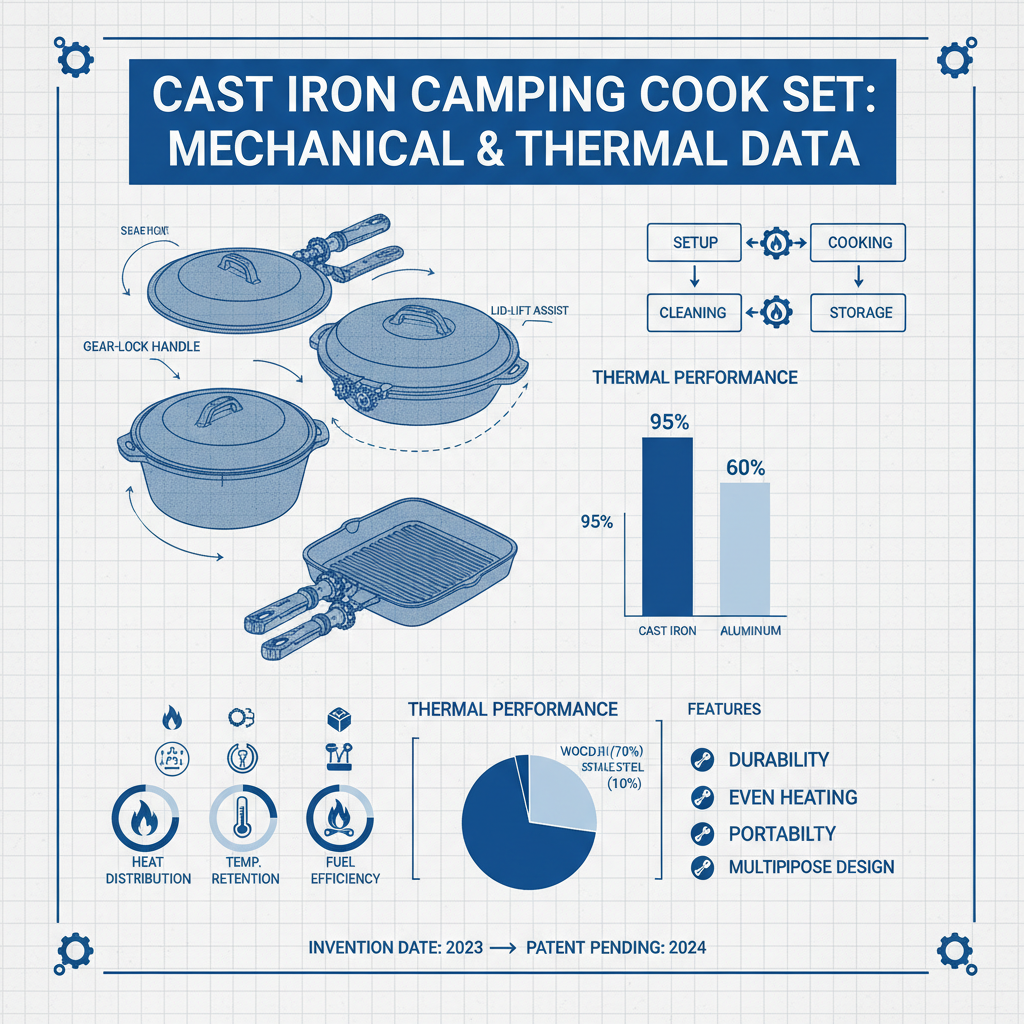
The benefits stem from cast iron's exceptional heat retention and distribution, allowing for even cooking and the ability to maintain consistent temperatures even in fluctuating outdoor conditions. This makes it ideal for everything from searing steaks over an open flame to baking bread in a backcountry campsite.
Historical Evolution and Modern Innovations
Cast iron cookware boasts a rich history, dating back centuries. While initially used for utilitarian purposes, it gradually found its way into both domestic and outdoor cooking. Early pioneers and explorers relied heavily on cast iron for its durability and versatility, making it a staple on the frontier.
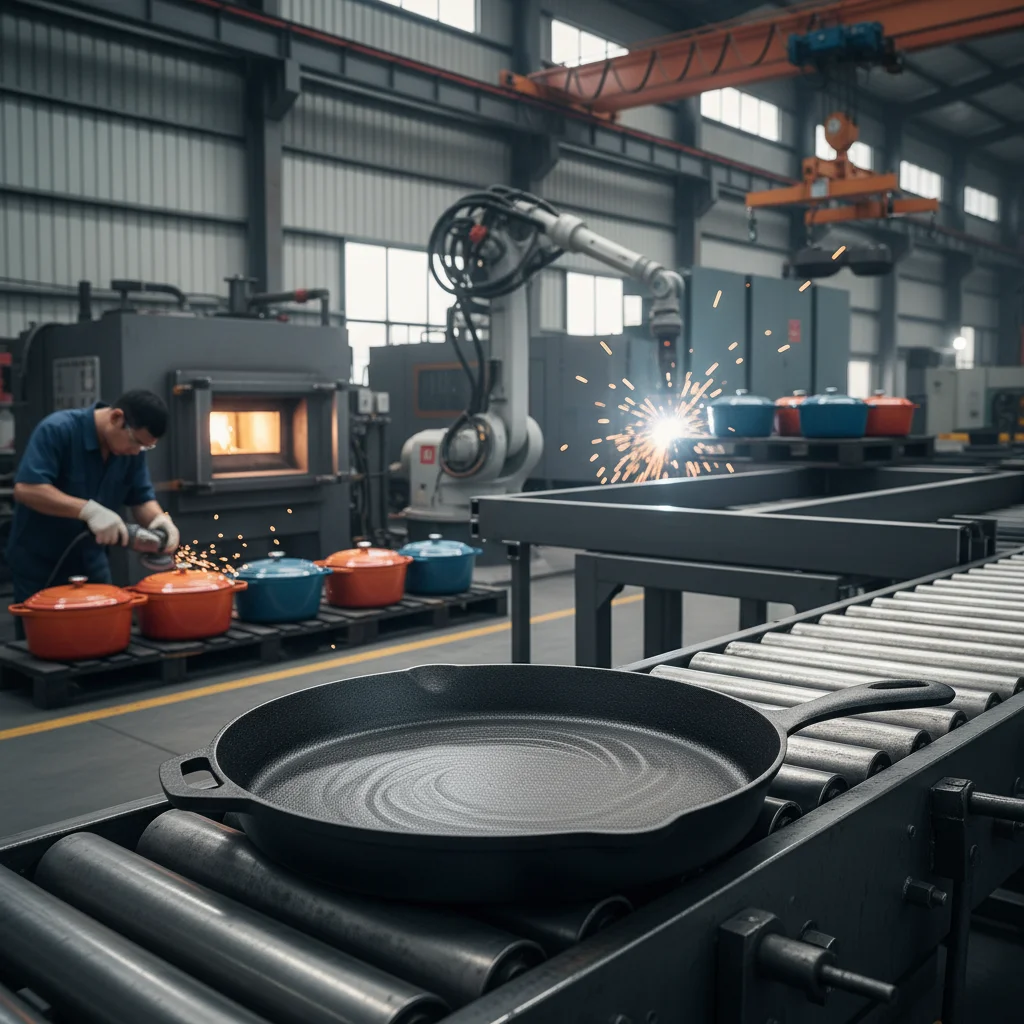
Modern innovations have focused on addressing the traditional drawbacks of cast iron—weight and maintenance. Lighter-weight alloys, pre-seasoned surfaces, and ergonomic designs are now commonplace. Many sets also incorporate features like folding handles and nesting designs to improve portability and storage.
Furthermore, the rise of enamel-coated cast iron has reduced the need for extensive seasoning and simplified cleanup. These advancements have broadened the appeal of cast iron cooking set camping to a wider audience.
Key Features and Components
Durability is paramount. A well-maintained cast iron cooking set camping can last for generations, withstanding the rigors of outdoor use. This longevity reduces the need for frequent replacements, making it a sustainable choice.
Heat retention is another crucial feature. Cast iron's ability to maintain consistent temperatures, even over varying heat sources, ensures even cooking and prevents food from burning or undercooking. This is particularly valuable in unpredictable outdoor conditions.
Versatility is key. A comprehensive set should include pieces suitable for a wide range of cooking methods—frying, searing, baking, braising, and more. Lids that double as skillets or griddles add further functionality.
Applications in Diverse Camping Scenarios
cast iron cooking set camping is suitable for various camping scenarios, from backcountry backpacking to car camping and RV trips. The type of set chosen should align with the planned activities and the level of portability required.
For lightweight backpacking, smaller, more specialized sets are preferable. Car campers and RV enthusiasts can opt for larger, more comprehensive sets that offer greater cooking versatility. It’s even applicable to glamping, where the emphasis is on comfort and culinary experiences.
cast iron cooking set camping Method Ratings
Advantages over Alternative Camping Cookware
Compared to aluminum or stainless steel cookware, cast iron offers superior heat retention and distribution, resulting in more evenly cooked food. It also doesn't react with acidic foods, preserving their flavor.
While lightweight options like titanium cookware offer portability, they lack the versatility and heat control of cast iron. Cast iron's ability to withstand high temperatures also makes it ideal for searing and blackening.
Long-Term Value and Sustainability
The durability of cast iron translates to long-term cost savings. A single set can last a lifetime with proper care, eliminating the need for frequent replacements. This contrasts with cheaper, disposable cookware options.
From a sustainability perspective, cast iron is a relatively eco-friendly choice. It's made from readily available materials and can be recycled at the end of its lifespan. Reducing consumption through durability is a key aspect of sustainable living.
Investing in a quality cast iron cooking set camping is a decision that benefits both your wallet and the environment.
Future Trends in cast iron cooking set camping
Emerging trends include the development of even lighter-weight cast iron alloys and more sophisticated pre-seasoning techniques. Smart cookware with integrated temperature sensors and Bluetooth connectivity is also on the horizon.
We can expect to see more emphasis on modular designs and nesting sets, further enhancing portability and storage convenience. Furthermore, the integration of renewable materials in handles and accessories will align with growing sustainability concerns.
The evolution of cast iron cooking set camping will continue to prioritize both performance and user experience.
Analysis of Factors Influencing cast iron cooking set camping Selection
| Weight & Portability |
Cooking Versatility |
Maintenance Effort |
Price Point |
| Heavy (5-10 lbs) - Best for car camping. |
Excellent - Suitable for various cooking methods. |
Moderate - Requires seasoning and careful cleaning. |
$80 - $200+ |
| Medium (3-6 lbs) - Good for shorter backpacking trips. |
High - Versatile for most camping recipes. |
Moderate - Requires periodic seasoning. |
$60 - $150 |
| Lightweight (2-4 lbs) - Ideal for backpacking. |
Good - Best for simpler meals. |
Low - Often pre-seasoned and easy to clean. |
$50 - $120 |
| Variable - Dependent on set size and materials. |
Excellent - Offers widest range of cooking options. |
Moderate - Requires consistent care. |
$100 - $300+ |
| Generally heavier than alternatives. |
Superior heat retention for optimal cooking. |
Requires regular seasoning to prevent rust. |
Offers the best value for long-term use. |
| Impacts pack weight, particularly for backpackers. |
Ideal for slow cooking, searing, and baking. |
Minimal cleaning needed with proper seasoning. |
Higher upfront cost but lower lifetime cost. |
FAQS
Seasoning a new cast iron set is crucial for creating a non-stick surface and preventing rust. Start by thoroughly cleaning the cookware with hot, soapy water and drying it completely. Then, apply a thin, even coat of cooking oil (like vegetable or flaxseed oil) to all surfaces, inside and out. Bake the cookware upside down in a 350°F (175°C) oven for an hour, and repeat this process several times to build up a solid seasoning layer.
Rust is the enemy of cast iron. To prevent it, always dry your cookware thoroughly after each use. Apply a light coat of oil after drying. Avoid soaking cast iron in water for extended periods, and never put it in the dishwasher. If rust does appear, scrub it off with steel wool, re-season the affected area, and follow the preventative measures outlined above.
While you can use metal utensils with well-seasoned cast iron, it's generally recommended to use wooden or silicone utensils to avoid scratching the seasoning layer. A scratched seasoning won't ruin the cookware, but it can reduce its non-stick properties. Be gentle and avoid aggressive scraping.
Yes, cast iron is incredibly versatile and can be used on gas stoves, electric stoves, induction cooktops, charcoal grills, and even over an open campfire. However, avoid drastic temperature changes as this can cause the cast iron to crack. When using on glass cooktops, lift rather than slide the cookware to prevent scratches.
Avoid using soap whenever possible, as it can strip away the seasoning. For most messes, simply scrape out food debris with a spatula while the cookware is still warm. For stubborn residue, you can add a bit of water and gently scrub with a non-abrasive sponge. Dry immediately and lightly oil.
Cast iron is inherently heavier than other cookware materials. To mitigate this, consider a smaller set with fewer pieces for backpacking. For car camping or RV trips, weight is less of a concern. Look for sets with handles designed for easy transport and nesting designs to save space. Lighter-weight cast iron alloys are also becoming increasingly available.
Conclusion
In conclusion, cast iron cooking set camping offers a unique blend of durability, versatility, and cooking performance, making it a valuable asset for outdoor enthusiasts. From its historical roots to modern innovations, cast iron continues to evolve, addressing the challenges of weight and maintenance while retaining its core strengths. The longevity and sustainable nature of cast iron cookware make it a responsible choice for those who value both quality and environmental consciousness.
As trends towards outdoor recreation and sustainable living continue to grow, the demand for high-quality cast iron cooking set camping will likely increase. Investing in a well-maintained set is an investment in years of culinary adventures, offering a rewarding cooking experience that connects you with nature and the traditions of outdoor cooking.