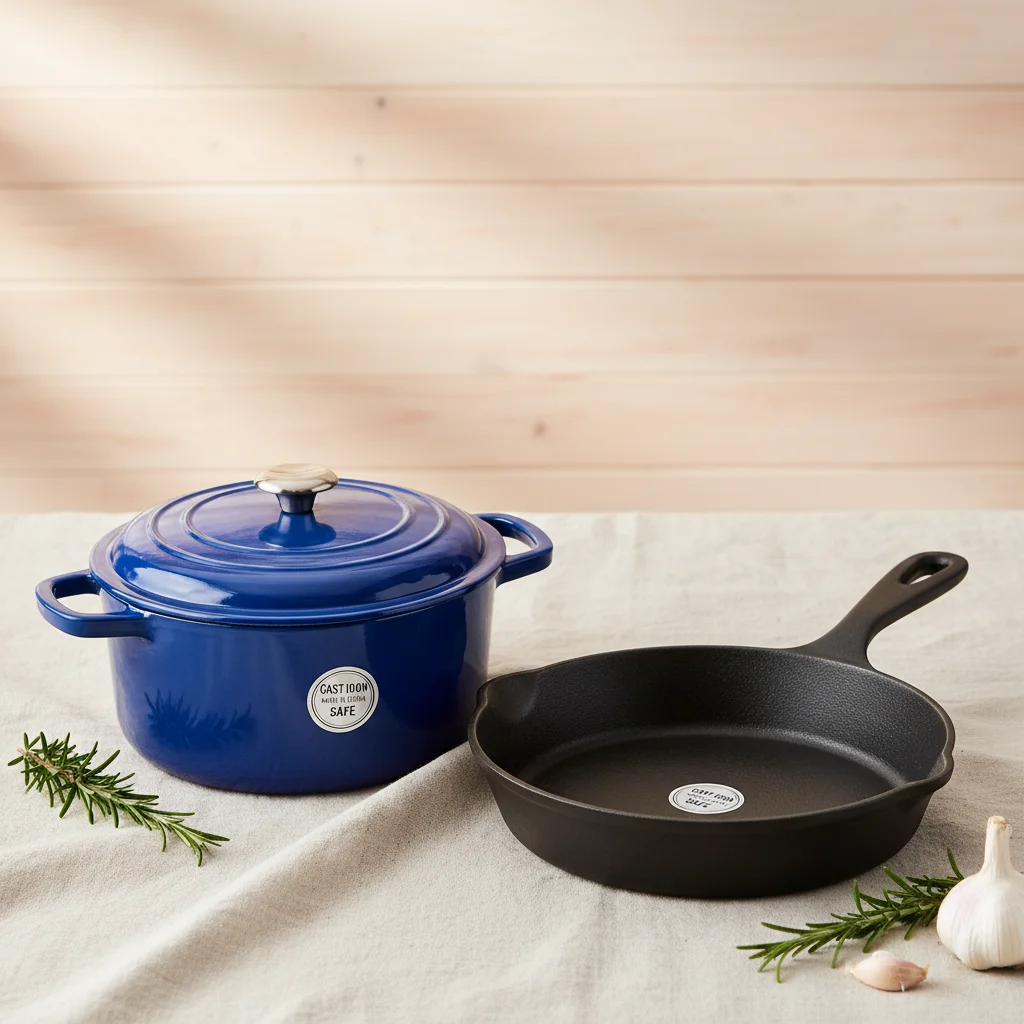
Understanding the OEM Cast Iron Skillet: Global Context and Industry Relevance
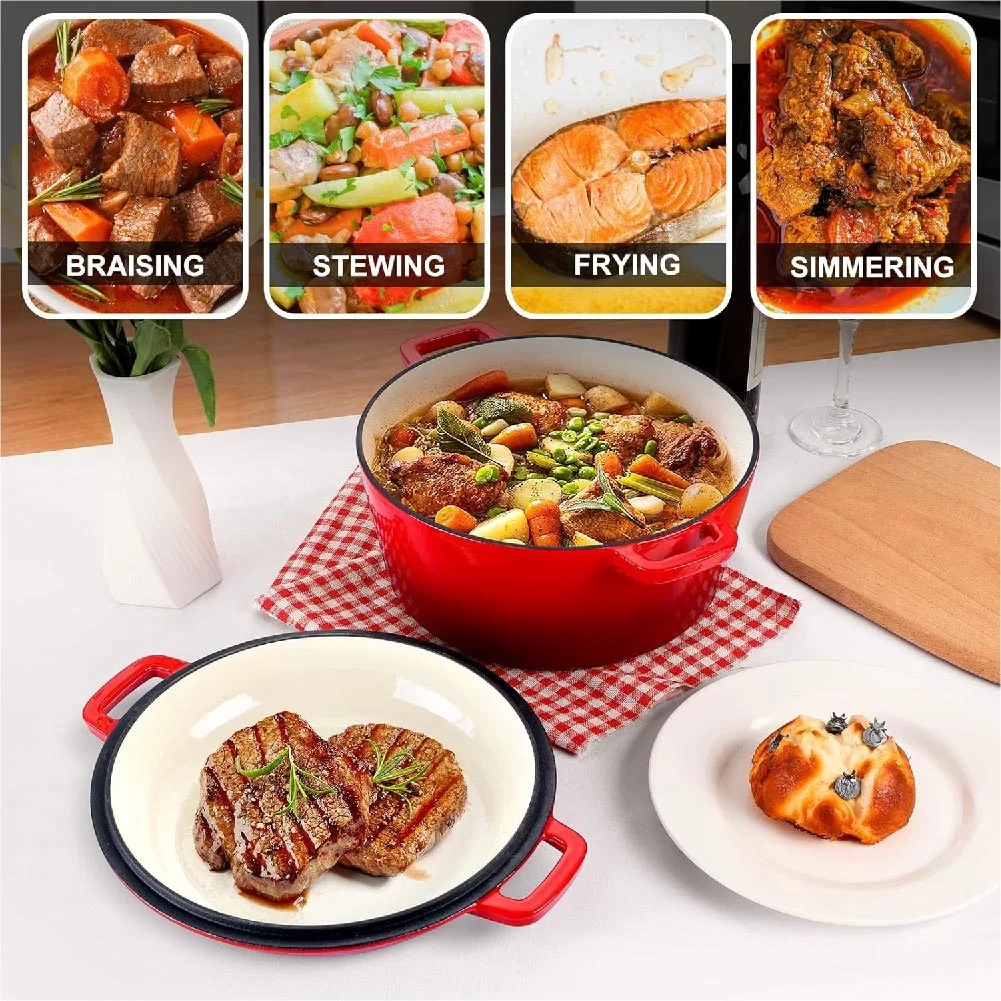
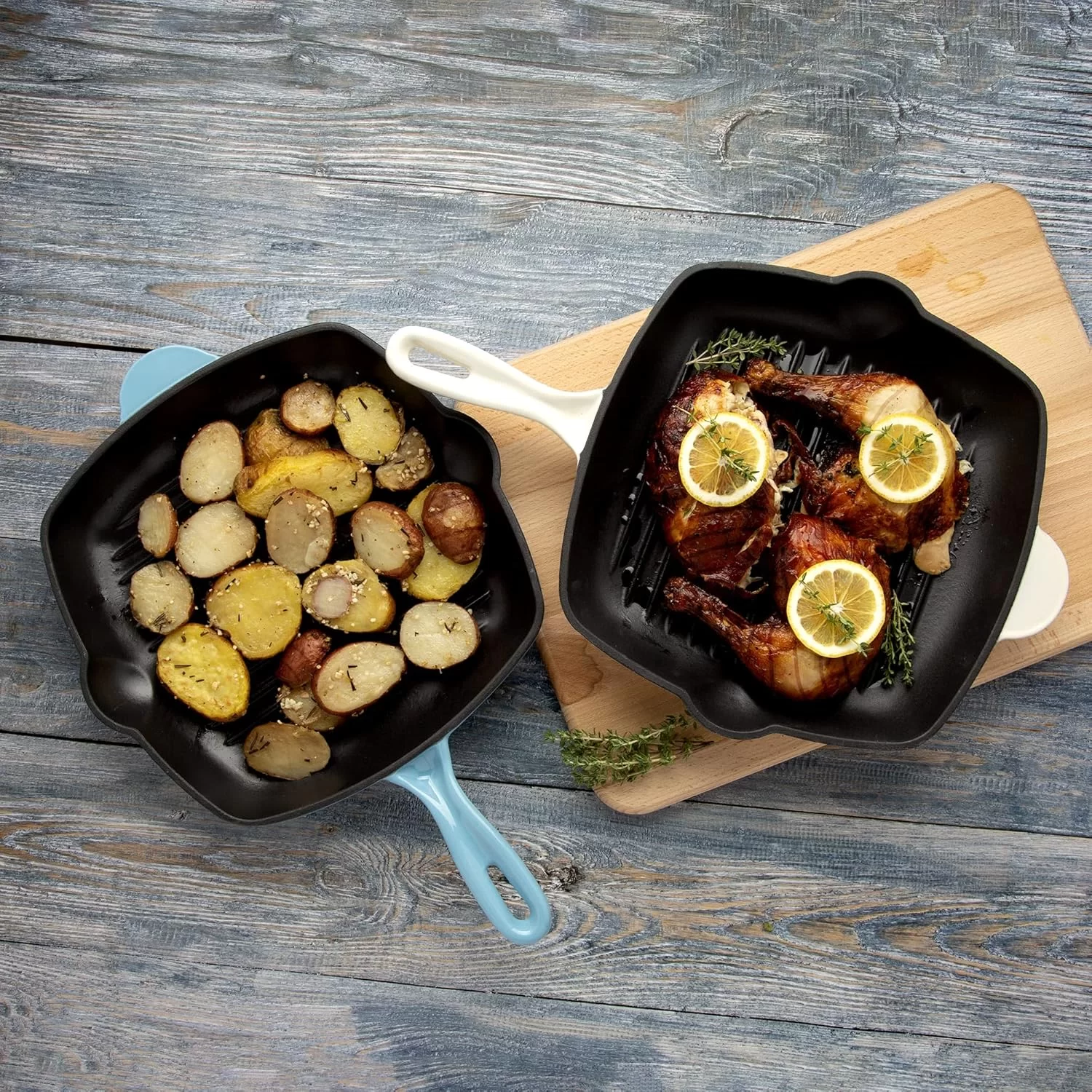
If you’ve ever cooked a hearty meal that just seemed to taste better because it was made in a cast iron skillet, you’re not alone. The OEM cast iron skillet stands out as a timeless kitchen tool—but its significance extends well beyond the home kitchen. OEM, or Original Equipment Manufacturer, cast iron skillets are a huge deal in both culinary and manufacturing industries worldwide. Nature of their production, durability, and versatility make them sought-after products.
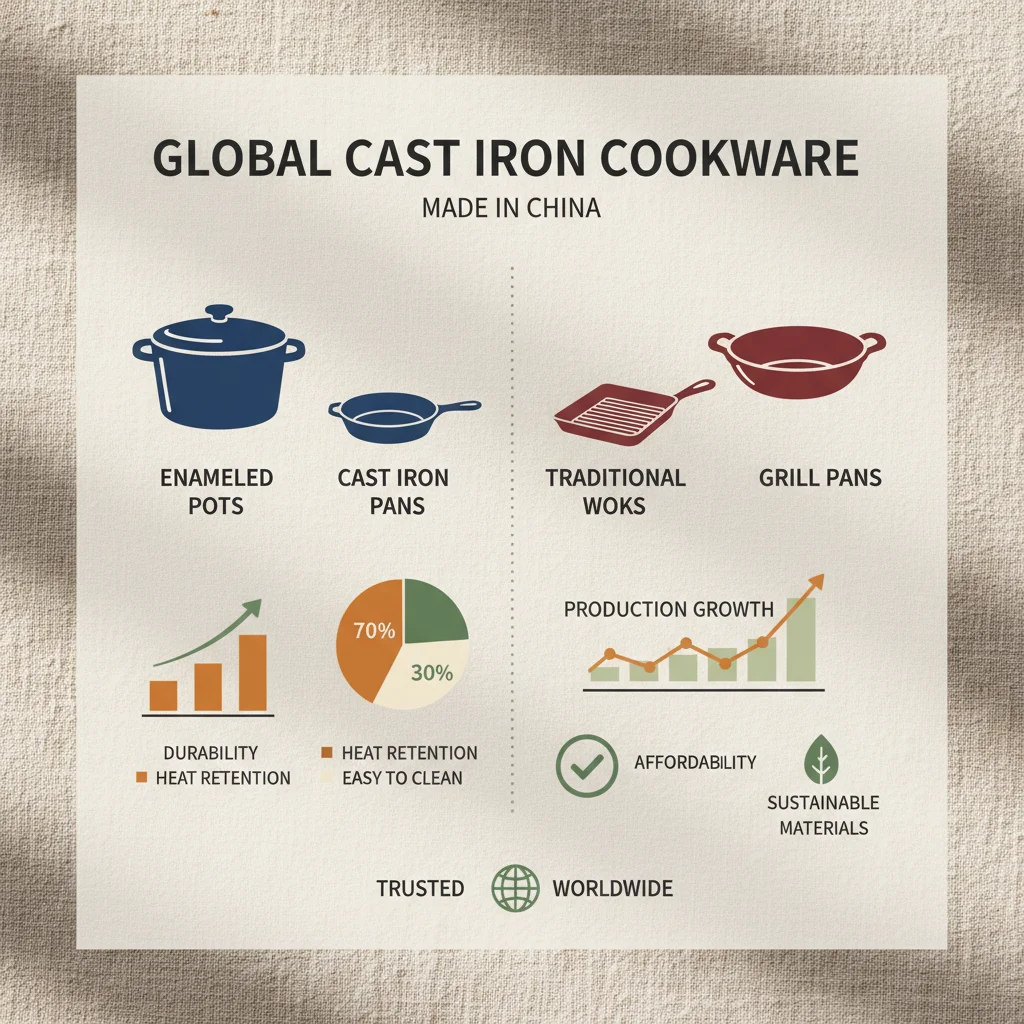
Globally, cast iron cookware represents a niche where tradition meets modern mass production. According to ISO standards on material durability and food safety, OEM cast iron skillets must meet rigorous quality criteria. The World Bank’s recent reports on supply chain resilience also highlight cast iron as a sustainable, long-lasting material in cookware manufacturing, especially relevant for emerging markets aiming to reduce waste. So, why does this matter? Because understanding OEM cast iron skillets means grasping how durable kitchenware can be mass-produced, customized, and delivered globally, supporting industries ranging from hospitality to retail.
What Exactly is an OEM Cast Iron Skillet?
In simplest terms, an OEM cast iron skillet is a cast iron pan manufactured by one company, but branded or sold by another. Think of it like a “made-to-order” skillet, often customized in size, shape, or finish to meet the buyer’s specifications. Cast iron itself is an alloy of iron, carbon, and sometimes small amounts of silicon or manganese—known for exceptional heat retention and even cooking surface.
This connection between OEM production and cast iron cookware reveals an industrial process balancing traditional metallurgy with modern design and efficiency principles. Plus, OEM partnerships allow brands to scale production without investing heavily in foundry operations—fitting well within global trade networks.
Key Factors Behind the OEM Cast Iron Skillet
1. Durability
Cast iron skillets made through OEM channels hold up remarkably well over time, often lasting decades. The alloy and manufacturing techniques ensure resistance to warping and cracking even under high temperatures or rough handling.
2. Customizability
Because the manufacturing is separated from branding, OEM providers can tailor skillets by size, shape, and surface finish—helpful for different markets or culinary uses.
3. Cost Efficiency
OEM models tend to be more affordable than handmade or artisanal skillets since large-scale foundries can optimize casting processes, reduce waste, and benefit from economies of scale.
4. Sustainable Production
Many OEM cast iron producers now emphasize eco-friendly foundry practices such as recycling scrap iron and using low-emission fuel sources. This aspect aligns well with evolving global sustainability targets (see ISO 14001 for environmental management systems).
5. Heat Retention & Cooking Performance
From a user standpoint, these skillets excel at holding and evenly distributing heat, which improves cooking quality and energy use efficiency.
| Specification |
Typical OEM Cast Iron Skillet |
Industry Average |
| Diameter |
8 - 12 inches |
8 - 15 inches |
| Weight |
2.5 - 4.5 lbs |
2.3 - 6 lbs |
| Material Composition |
>95% iron, carbon 2.5-4% |
>90% iron, carbon 2-4% |
| Finish |
Pre-seasoned or raw cast |
Varies |
Mini takeaway: Understanding these specifications highlights why OEM cast iron skillets balance quality and affordability, fulfilling different market needs.
Global Applications & Use Cases
The OEM cast iron skillet is far from just a kitchen curiosity. They are essentials in:
- Commercial kitchens — restaurants rely on them for durability and heat precision.
- Industrial food production — OEM versions are often crafted to exacting sizes and finishes to suit mass cooking equipment.
- Consumer goods retailers — offering branded cookware without heavy manufacturing investment.
- Post-disaster aid — their long lifespan and ease of repair make these skillets perfect for relief organizations distributing cooking gear.
- Emerging market households — where cast iron is prized for its longevity and versatility.
For example, in parts of Southeast Asia, NGOs often provide OEM cast iron cookware to help sustain local food economies and reduce reliance on disposable utensils.
Advantages & Long-Term Value
Why are OEM cast iron skillets such a global success story? Here’s the 🤔 gist:
- Cost-effectiveness: mass production cuts down the price without skimping on quality.
- Sustainability: they’re reusable and repairable, meaning less landfill waste.
- Emotional connection: heirloom quality lends a feeling of trust and safety over decades.
- Innovation: OEM production merges tradition with new materials handling and pre-seasoning techniques.
In other words, you’re not just buying a skillet. You’re investing in something reliable and, frankly, a little bit historic.
OEM Vendor Comparison
| Vendor |
Customization Options |
Typical Lead Time |
Environmental Certifications |
Price Range (per unit) |
| CastIronPro Ltd. |
Size, Handle Design, Pre-seasoned Finish |
4-6 weeks |
ISO 14001 certified |
$15 - $30 |
| IronWorks OEM |
Custom Logos, Sizes, Raw or Seasoned |
3-5 weeks |
Committed to green foundry practices |
$18 - $35 |
| EverCast Co. |
Bulk Orders, Non-stick Coatings Available |
6-8 weeks |
No formal certs but uses recycled materials |
$12 - $25 |
Future Trends and Innovations for OEM Cast Iron Skillets
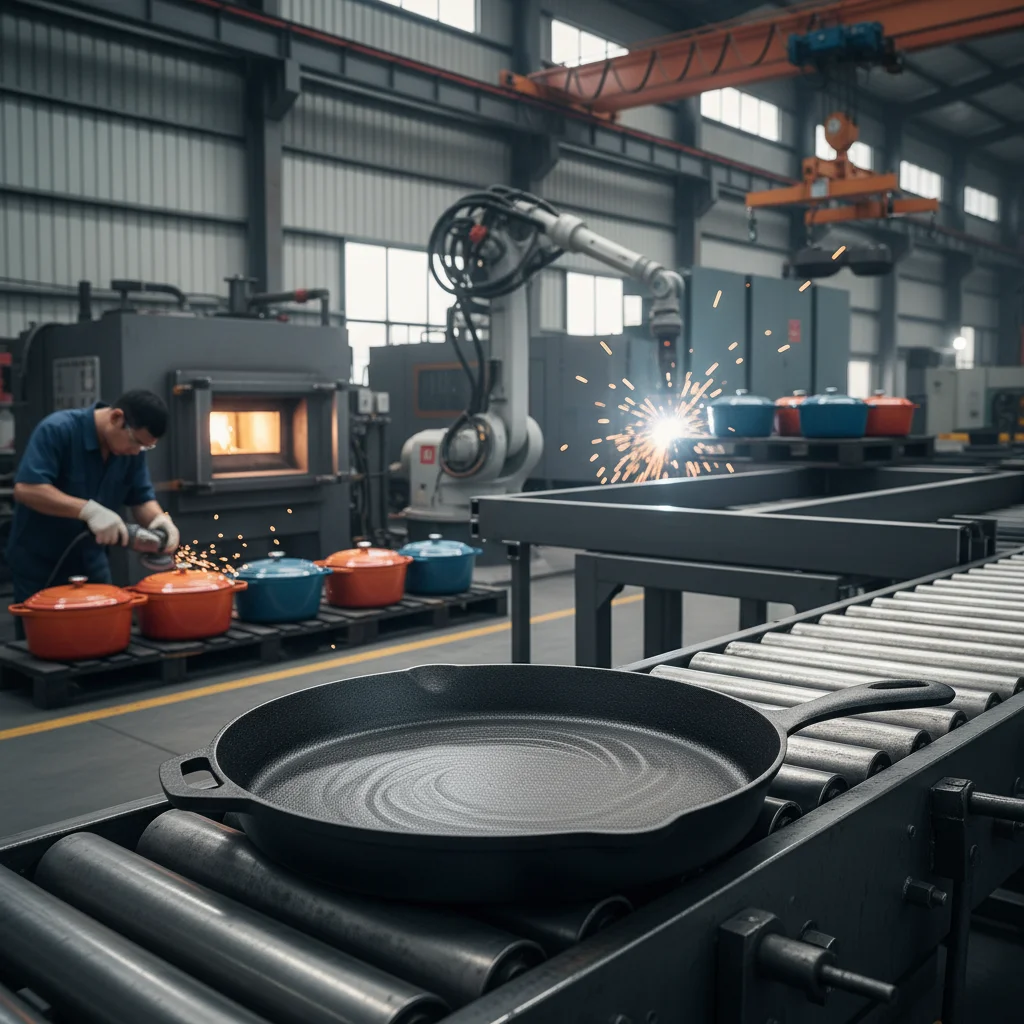
Looking ahead, OEM cast iron skillet production is not stuck in the past—it’s evolving, albeit subtly. Automation in mold making and foundry controlled-atmosphere furnaces enable cleaner, more consistent casts. Some manufacturers experiment with composite materials to make skillets lighter yet retain heat. Digitization, like 3D scanning molds and blockchain for supply chain transparency, is slowly entering the arena.
Plus, sustainability remains a pressure point—expect growing enforcement of ISO environmental standards and increasing demand for recycled content in OEM production lines.
Challenges & How Experts Solve Them
Despite strengths, OEM cast iron skillet production faces several hurdles:
- Lead times: typically 4-8 weeks, which can challenge rapid market responses.
- Surface finishing consistency: some batches vary in seasoning quality, affecting user experience.
- Weight concerns: cast iron’s heft deters some consumers.
Innovative solutions include modular casting that allows mixing alloys, improved seasoning automation, and offering smaller size ranges for portability.
FAQ: Frequently Asked Questions About OEM Cast Iron Skillets
- What makes an OEM cast iron skillet different from regular cast iron pans?
- OEM skillets are produced by a manufacturer and sold under different brand names, often allowing for customization such as size, finish, or logo that wouldn’t be available in generic cast iron pans.
- How long do OEM cast iron skillets typically last?
- With proper care, an OEM cast iron skillet can last a lifetime or even be passed down generations, often 20+ years or more.
- Is an OEM cast iron skillet suitable for commercial kitchen use?
- Absolutely. OEM skillets are widely used in commercial kitchens due to their durability, heat retention, and cost effectiveness.
- Can I order customized sizes or engravings on an OEM cast iron skillet?
- Yes, many OEM manufacturers offer a range of customization including size variations, handle styles, pre-seasoning, and branding with logos or engravings.
- Are OEM cast iron skillets environmentally friendly?
- Most manufacturers are improving sustainability by recycling scrap iron and employing green foundry methods, which reduce emissions and waste in production.
Conclusion: Why Choose an OEM Cast Iron Skillet?
When you look at the bigger picture, the OEM cast iron skillet balances tradition and modern manufacturing excellence. It offers long-term value, sustainability, and customization that suits global markets and industries alike. If durability, proven cooking performance, and eco-conscious production matter to you, these skillets are a reliable choice.
For businesses or home cooks considering high-quality cookware, visiting our OEM cast iron skillet supplier page might just be the next best step. Whether you want bulk orders or a single kitchen upgrade, OEM cast iron skillets serve well now and for decades to come.
Mini takeaway: OEM cast iron skillets symbolize a blend of craftsmanship, scalable production, and environmental awareness that answers the needs of a globally connected world.
1. ISO 14001 Environmental Management Systems: iso.org
2. World Bank Report on Sustainable Manufacturing: worldbank.org
3. Cast Iron Cooking – Wikipedia: wikipedia.org