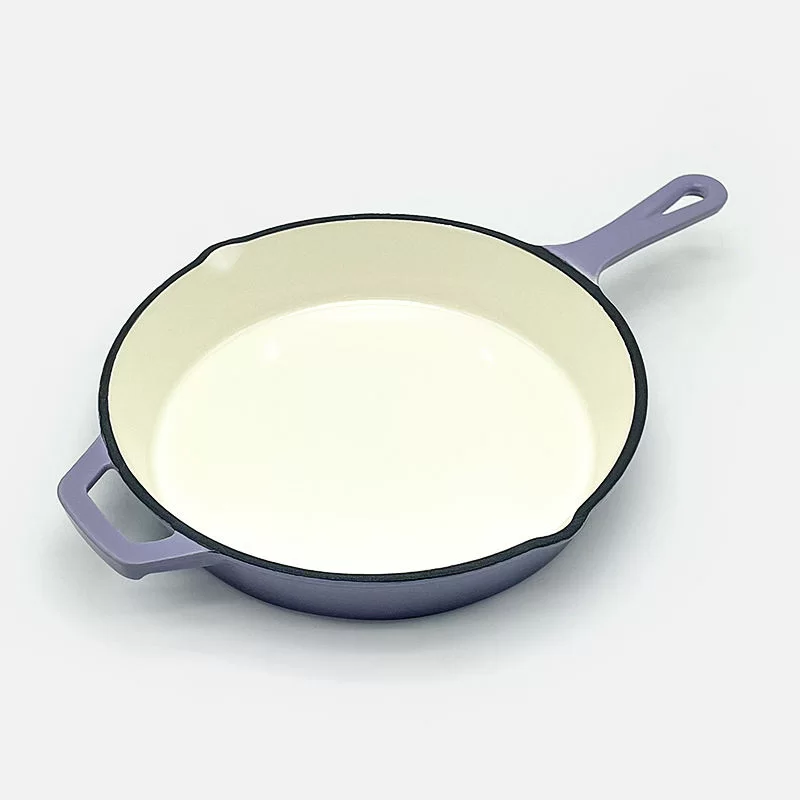
Premium Culinary Solutions porcelain enamel skillet for Russia

Premium Culinary Solutions: porcelain enamel skillet for Russia

Combining traditional Russian durability with modern enamel technology to master slow-cooking and searing in the harshest climates.

Premium Culinary Solutions: porcelain enamel skillet for Russia

Explore our professional-grade cast iron range designed to meet the rigorous demands of Eastern European kitchens, featuring superior heat retention and non-reactive surfaces.

The State of Cast Iron Cookware in Russia

Analyzing the intersection of traditional hearth cooking and modern urban gastronomy.

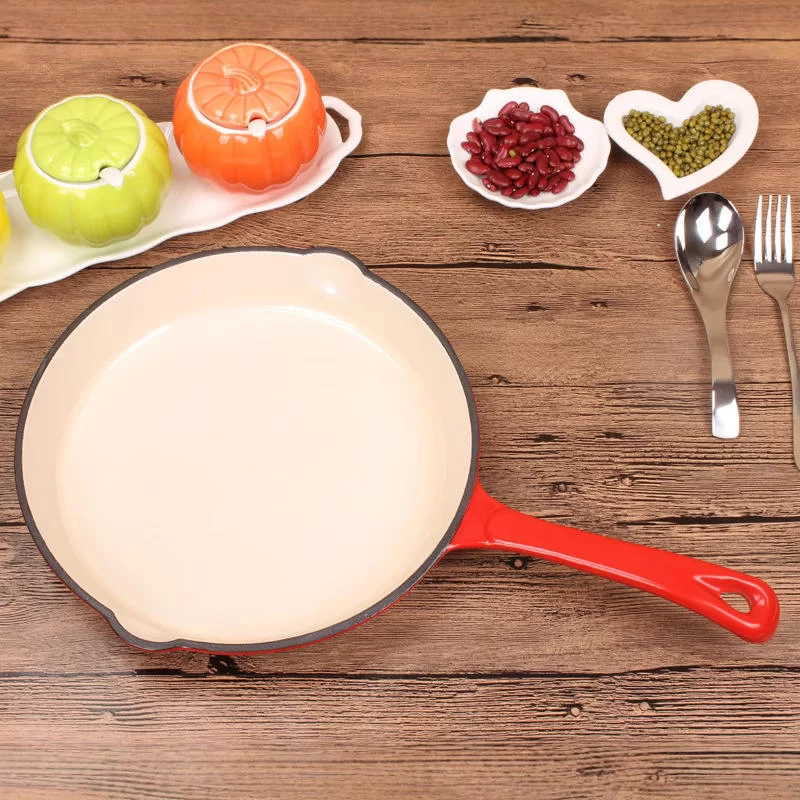
In Russia, the culinary culture is deeply rooted in slow-simmering and hearty stews, making the deep enameled cast iron skillet an essential tool. The extreme temperature fluctuations of the region demand materials that can withstand thermal shock while maintaining an even heat distribution across the base.

Historically, raw cast iron dominated the market, but there is a significant shift towards the white enamel cast iron skillet due to its aesthetic appeal and ease of maintenance. Modern Russian consumers are increasingly prioritizing hygiene and the prevention of metallic tastes in acidic dishes like Shchi or Borscht.

Furthermore, the rise of compact urban living in cities like Moscow and Saint Petersburg has spiked the demand for a small enameled cast iron skillet, allowing for efficient meal prep without sacrificing the professional searing capabilities of heavy-duty metalware.
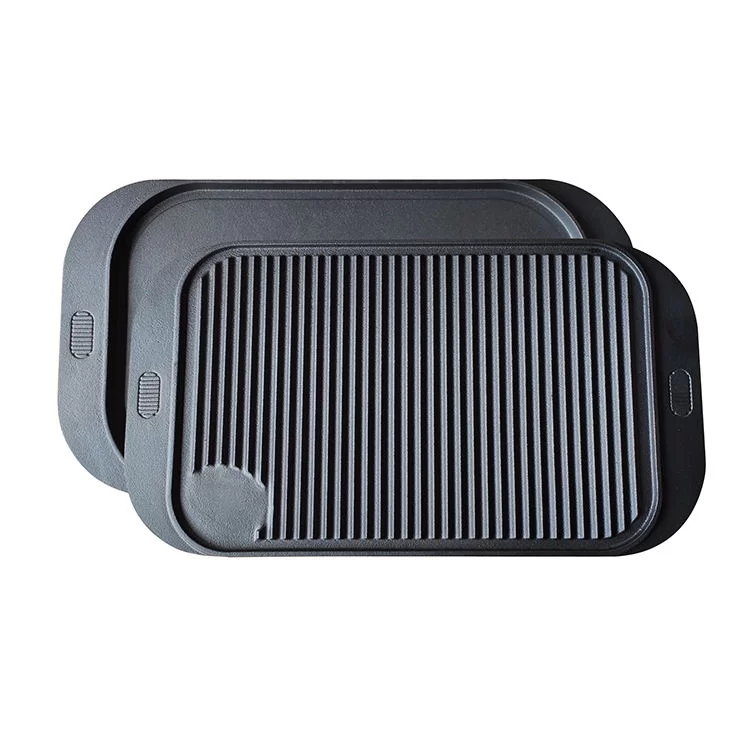
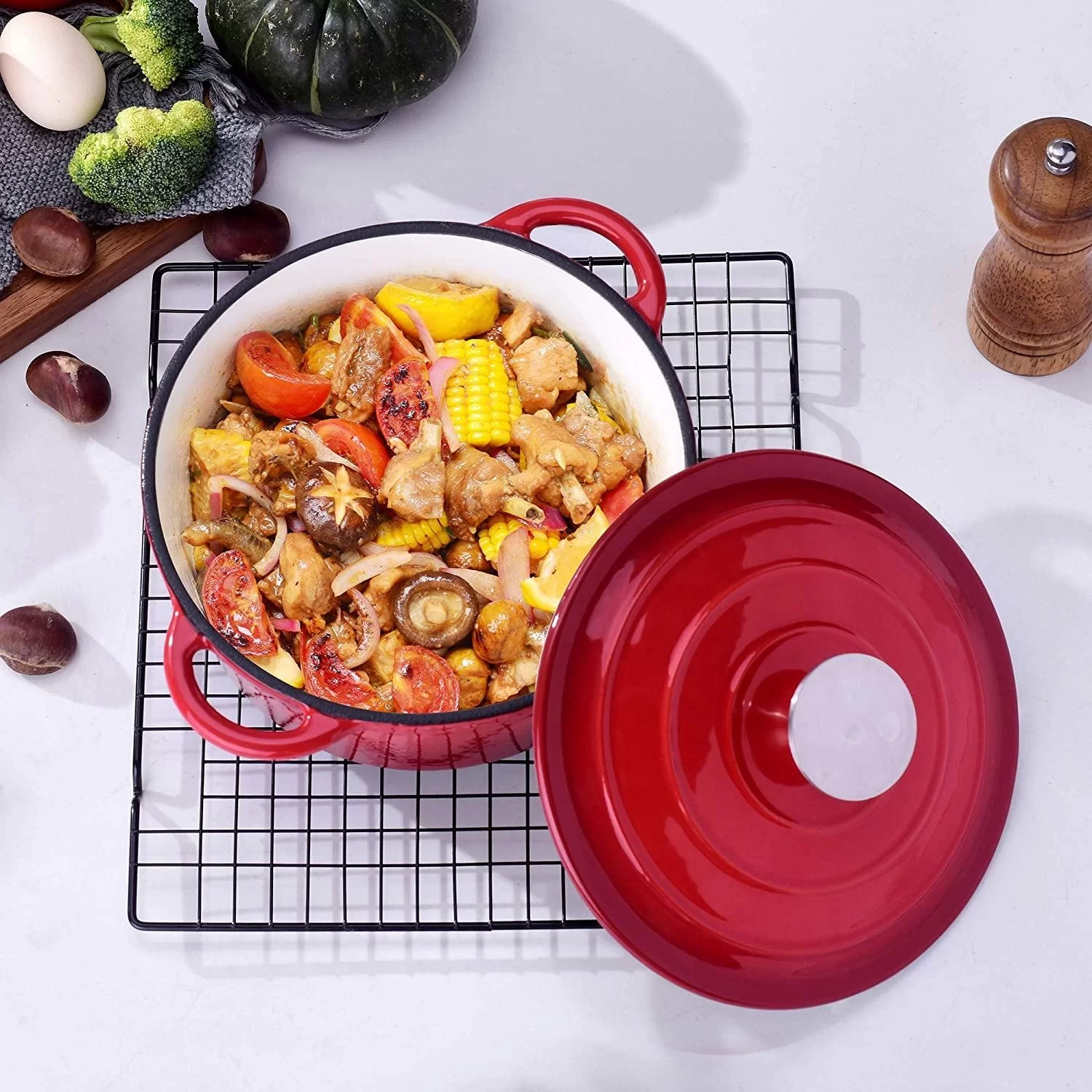
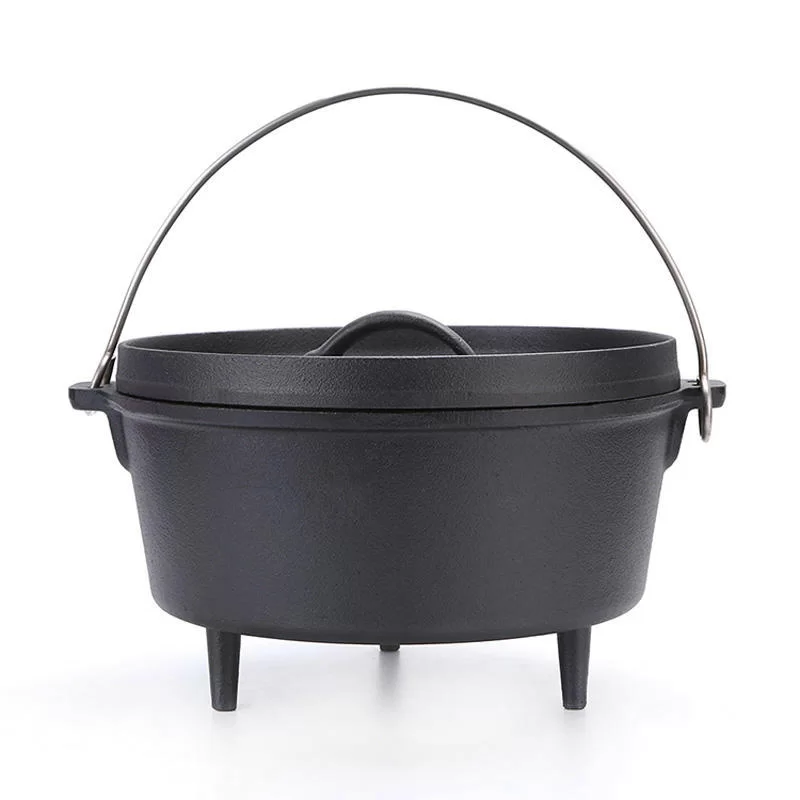
Evolution and Trajectory of Enamel Casting

From village foundries to precision industrial engineering.

Market Development History

During the mid-20th century, Russian cast iron was primarily utilitarian and heavy, focusing on raw durability. The early 1980s saw the introduction of basic vitreous enameling to reduce rusting, although the coating was often prone to chipping under high heat.

By the early 2000s, the integration of European precision casting techniques allowed for a more refined frying pan cast iron enameled. This era marked the transition from "heavy pots" to "engineered cookware," focusing on weight optimization and heat conductivity.

From 2015 to the present, the focus has shifted toward high-grade porcelain fusing. The adoption of multi-layer enamel application has virtually eliminated the risk of surface corrosion, aligning the product with global E-E-A-T quality standards for commercial kitchenware.

Future Development Trends

Induction-Optimized Base Integration

As Russian households transition to induction cooktops, the focus is moving toward composite bases that maximize magnetic flux and energy efficiency.

Eco-Friendly Vitreous Glazes

A transition toward PFOA-free and lead-free porcelain glazes is accelerating to meet stricter European health regulations and consumer demand for "clean cooking."

Ergonomic Weight Reduction

Utilizing advanced alloy compositions to maintain the thermal mass of cast iron while reducing the physical strain on the user during handling.

Industry Trends and Future Outlook

Predicting the next era of metallurgy in professional cookware.

Smart Heat Distribution
Implementation of variable-thickness casting to prevent hotspots in large-scale frying pans.
Hybrid Enamel Coating
Combining matte interiors for better searing with glossy exteriors for easier cleaning.
Sustainable Sourcing
Integrating recycled iron scrap into the casting process to reduce the carbon footprint of manufacturing.
Precision Mold Casting
Using 3D-printed sand molds to achieve tighter tolerances and perfectly flat bases.

Industry Outlook

Google search trends in the region indicate a rising interest in "healthy cookware" and "long-term investment kitchenware," suggesting that the market is shifting away from disposable non-stick pans toward lifelong enamel cast iron.

We anticipate a 4.5% CAGR in the premium segment as more Russian consumers adopt a "slow food" lifestyle, favoring the thermal stability provided by professional-grade cast iron over rapid electrical cooking methods.

Local Application Scenarios in Russia

How our cookware integrates into the unique culinary habits of the region.

01. Authentic Russian Stews (Kasha & Stews)

Using the deep enameled cast iron skillet for long-duration simmering, ensuring heat remains constant even in drafty winter kitchens.

02. Gourmet Breakfasts in Urban Apartments

Utilizing a small enameled cast iron skillet for perfect Syrniki (cheese pancakes), providing the crust and golden color that only cast iron can achieve.

03. High-Heat Searing for Steaks

Employing a frying pan cast iron enameled to achieve a professional Maillard reaction for premium meats, followed by a brief oven finish.

04. Acidic Sauce Reduction

Leveraging the non-reactive nature of the porcelain enamel skillet to reduce tomato-based or vinegar-heavy sauces without leaching metallic flavors.

05. Aesthetic Table Presentation

Using the white enamel cast iron skillet as a serving dish for rustic gratins, maintaining food temperature from the stove to the dining table.

Brand Story

Global Development Journey of Ningjin County Jinshengyuan Casting Co., Ltd.

The Foundation of Quality

Established with a vision to master the art of iron, we began by solving the basic problem of casting porosity in industrial molds.

Enamel Technology Breakthrough

We invested in high-temperature fusing ovens to create a glass-like bond that prevents rust and chemical reactions in the kitchen.

Global Market Expansion

By aligning our production with ISO standards, we expanded our footprint into Europe and Russia, meeting rigorous import quality controls.

Precision Engineering Shift

Transitioning from traditional sand casting to precision investment casting to provide the lightweight yet durable cookware of today.

Commitment to Sustainability

Our current mission is to create "Heirloom Cookware"—products that last generations, reducing global waste in the cookware industry.

Comprehensive Cookware Portfolio for the Russian Market

From heavy-duty skillets to precision frying pans, engineered for the Eastern European home.

Common Questions for Our Russian Customers

Expert answers regarding the use and maintenance of enameled cast iron.

How do I maintain my white enamel cast iron skillet to prevent staining?

Avoid using abrasive steel wool. Use a soft sponge and warm soapy water. For stubborn stains, a paste of baking soda and water is highly effective without scratching the enamel.

Is a deep enameled cast iron skillet suitable for oven-to-table serving?

Yes, our skillets are designed for high thermal stability. They can move from the stovetop to the oven and directly to the table, keeping food hot for significantly longer than aluminum.

Can I use a small enameled cast iron skillet on an induction cooktop?

Absolutely. The cast iron core is naturally magnetic, making it perfectly compatible with all induction hobs, providing rapid and even heating across the entire surface.

What is the difference between a porcelain enamel skillet and a traditional seasoned pan?

Unlike seasoned pans, porcelain enamel does not require oil curing and is non-reactive, meaning you can cook acidic foods (like tomato sauce) without altering the taste or damaging the pan.

Will my frying pan cast iron enameled crack under extreme Russian winter temperatures?

Our enamel is fused at temperatures exceeding 800°C, creating a durable bond. However, we recommend avoiding sudden temperature shocks (e.g., placing a hot pan in ice water).

How do I know if my enamel skillet is commercial grade?

Commercial grade is defined by the thickness of the iron walls and the hardness of the vitreous coating. Our products undergo rigorous impact tests to ensure durability in high-volume kitchens.

Ready to Upgrade Your Kitchen Metallurgy?

Contact our expert team for bulk orders and customized OEM specifications delivered across Russia.

Contact Us Now

If you are interested in our products, you can choose to leave your information here, and we will be in touch with you shortly.