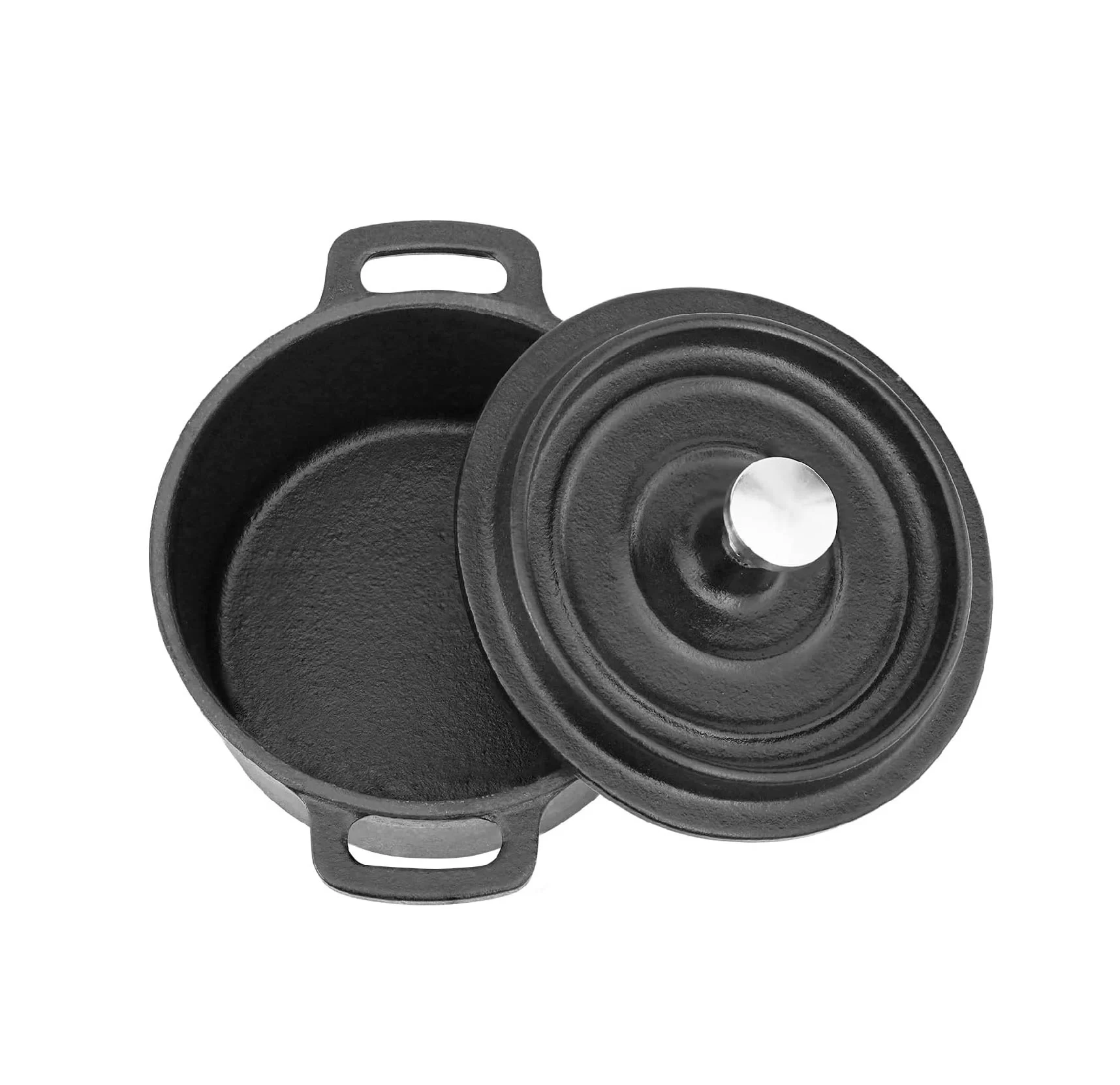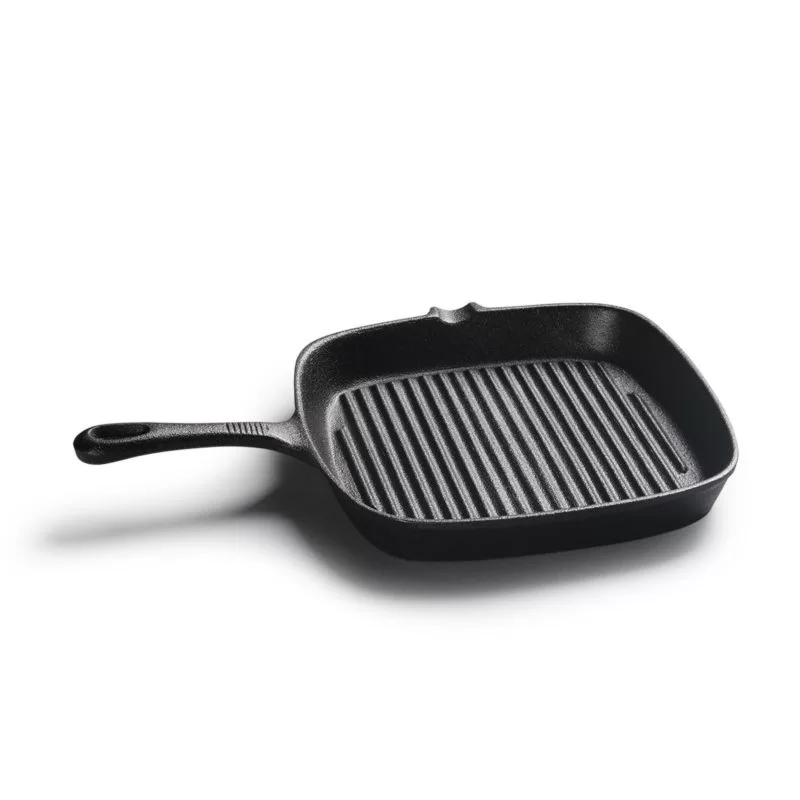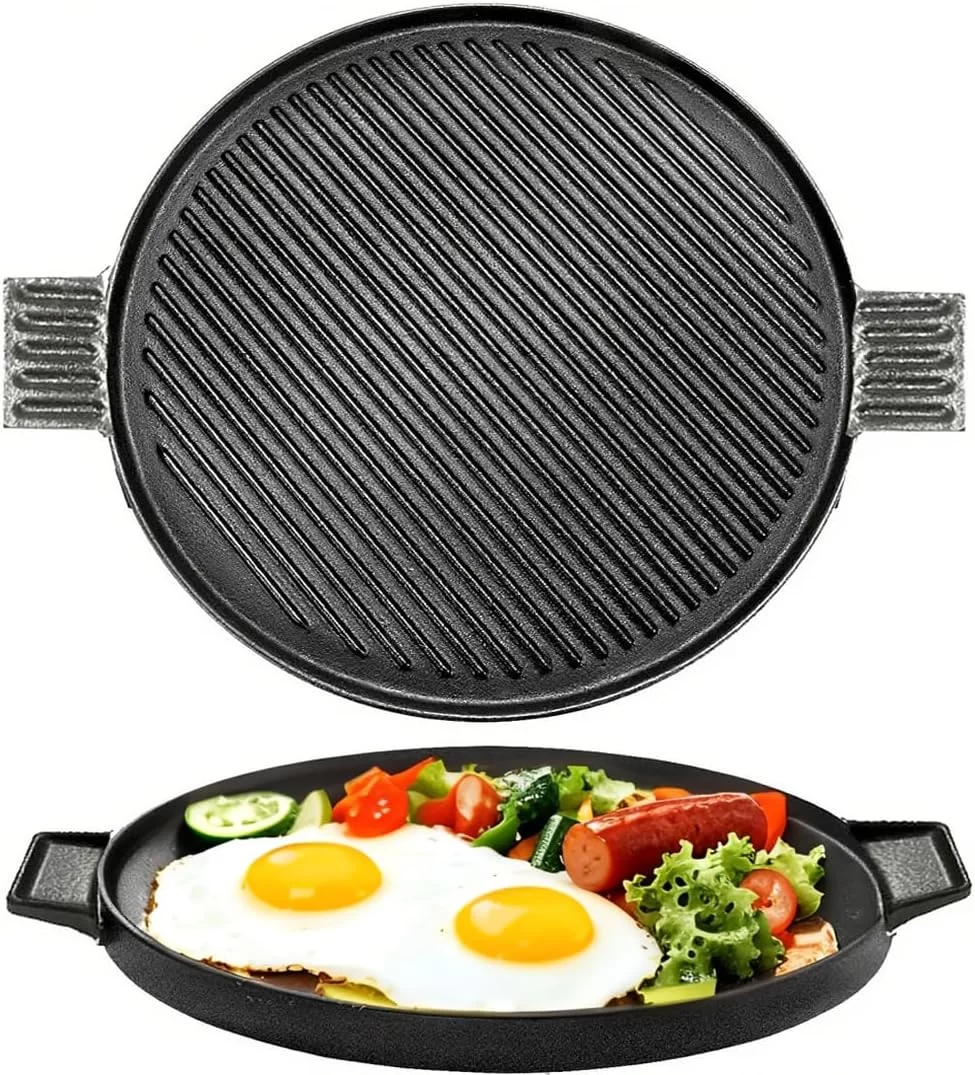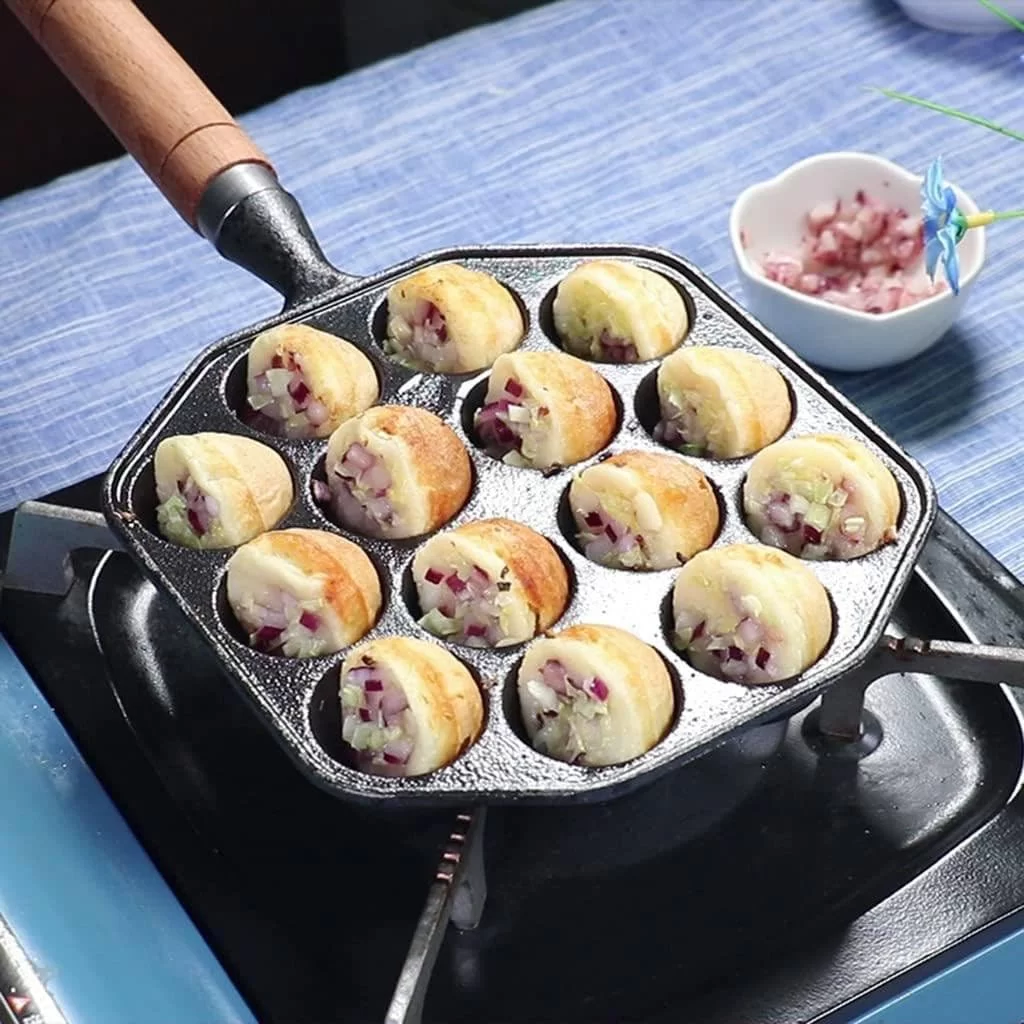
In Greece, the culinary culture is deeply rooted in slow-cooking and high-temperature searing, making the frying pan cast iron enameled a vital tool. The humid coastal climate and the use of acidic ingredients like lemon and tomato in traditional Moussaka or Stifado require a surface that prevents metallic leaching and rust.
Current market trends in Athens and Thessaloniki show a shift towards aesthetic versatility. The demand for a white enamel cast iron skillet has surged, as modern Greek kitchens blend minimalist European design with rustic traditionalism, requiring cookware that looks as good on the dining table as it does on the stove.
Despite the availability of non-stick alternatives, Greek consumers are returning to cast iron for its superior thermal mass. However, the need for easier maintenance has led to a preference for enameled options over raw iron, ensuring that the cookware remains hygienic and easy to clean after preparing complex Mediterranean dishes.